How to Build a Screen-Free Play Routine That Actually Sticks
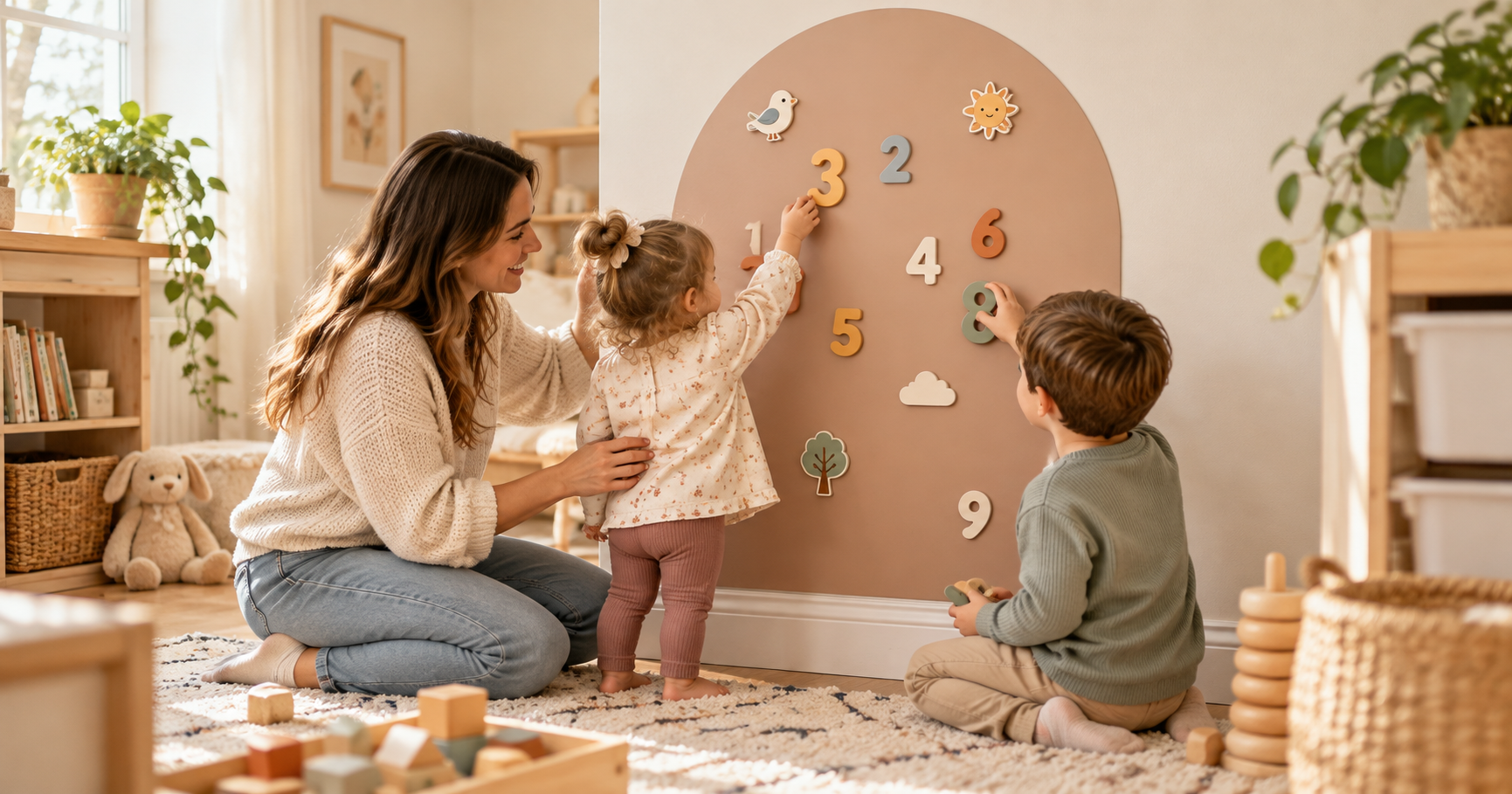

Most parents know the feeling. It’s 4:30 in the afternoon, dinner hasn’t started, and the tablet is sitting right there. You don’t

Practical strategies for creating an effective learning environment, including behavior management techniques, classroom organization tips, and student engagement activities for educators.
Most parents know the feeling. It’s 4:30 in the afternoon, dinner hasn’t started, and the tablet is sitting right there. You don’t
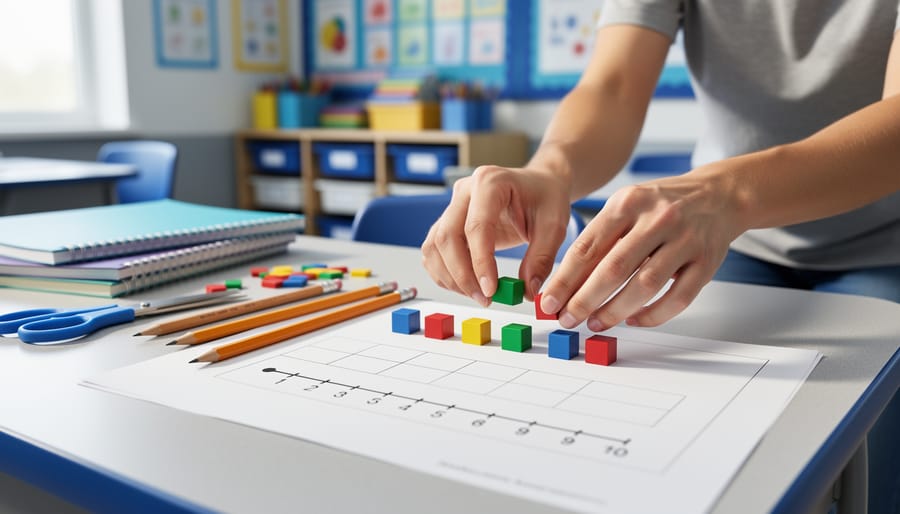
Teaching place value effectively begins with concrete manipulatives and systematic progression through ones, tens, hundreds, and beyond, paired with consistent formative assessment

A student can choose a move in seconds and still struggle to say why it was a good choice. A familiar solitaire
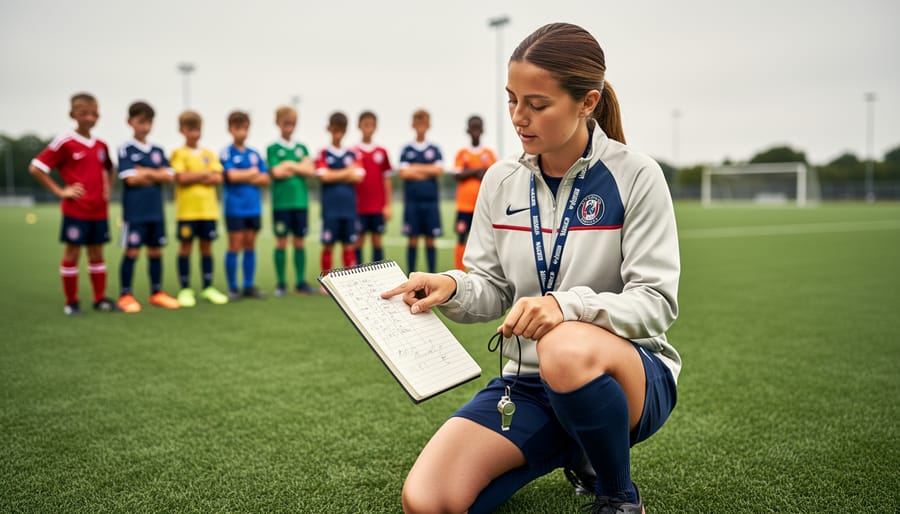
A youth soccer coach in Minnesota keeps a notebook, not of plays or drills, but of small details about each kid

Finding the right online math tutor isn’t about choosing the highest-rated name on a list. It’s about matching your student’s learning style,

The b-word game transforms vocabulary learning into an engaging challenge where students identify and use words beginning with the letter “B” within

Virtual classroom technology has fundamentally transformed how millions of students learn, connecting learners and educators across distances through integrated digital platforms that

Deploy Microsoft Intune through your existing Office 365 Education subscription to centrally manage every iPad, Chromebook, and Windows device in your school

Choose platforms that match your specific academic needs—Google Workspace excels for real-time document editing across multiple contributors, Microsoft Teams integrates seamlessly with

LEGO robotics programs transform how students learn STEM concepts, but their impact extends far beyond building robots. Six core values form the

When a student’s voice rises and fists clench, you have approximately 90 seconds before a full behavioral crisis erupts. Research from the
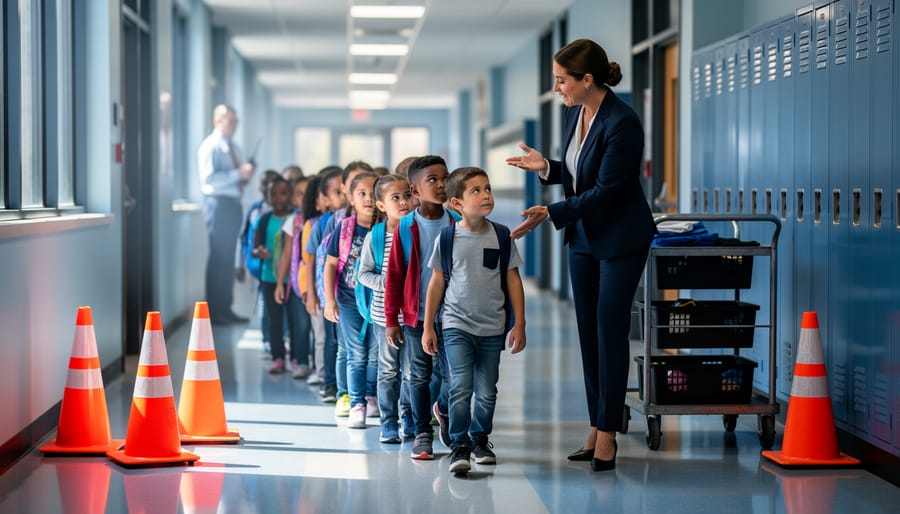
Transform your fire drills from checkbox exercises into genuine preparedness opportunities by scheduling them at varied, realistic times rather than the predictable