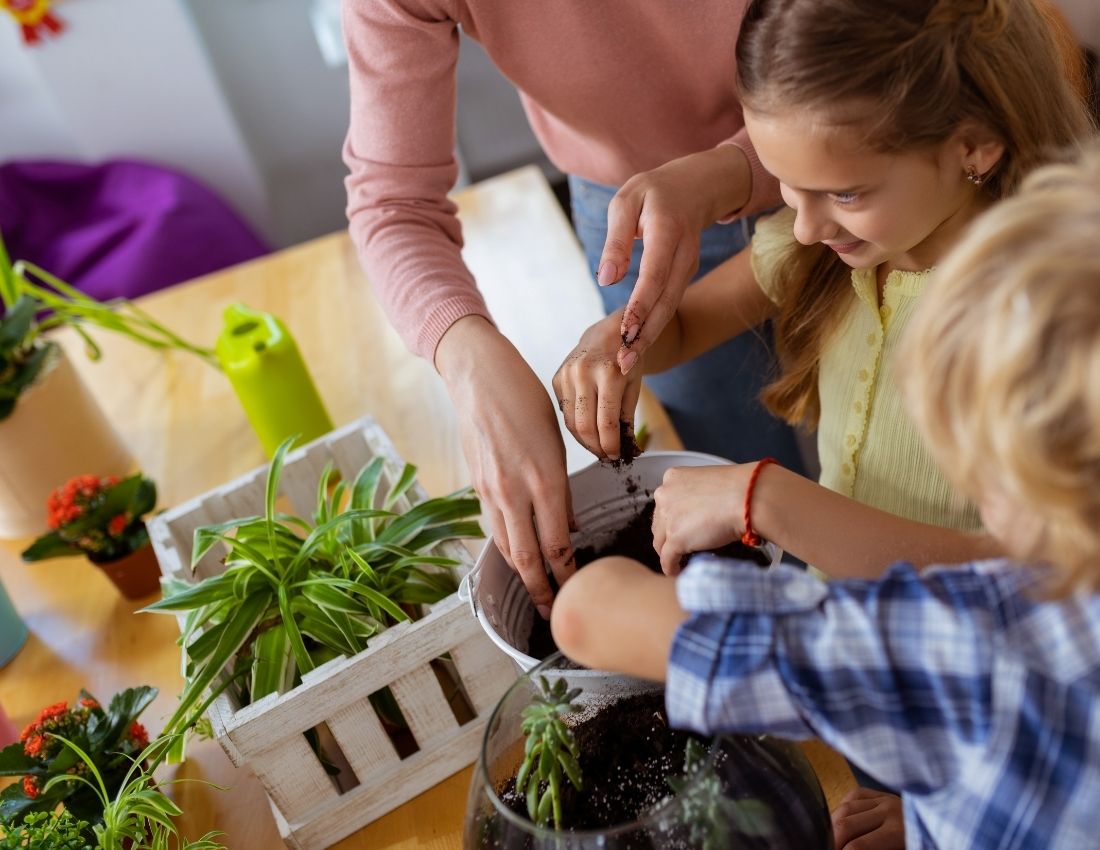



One of the best lessons for young children is showing them that they will produce the positive fruits of their labor with hard work and diligence. Choosing fast-growing seeds for classroom science projects is the perfect way to get kids involved in learning and to teach them organizational skills! Lessons that involve growing seeds in life are methodical, literal, and metaphorical in nature.
13 Best Fast Growing Seeds for Classroom Gardens
Whether you want to plant a vegetable garden or teach children about annual flowers, kids love seeing something grow that they planted. Choosing the fastest growing seeds for classroom projects ensures students stay engaged and excited as they witness germination and growth in real time. Quick growing seeds for classroom gardens work especially well because students can observe the complete life cycle within a single semester or even a few weeks. When you’re looking for seeds that germinate fast, focus on varieties that sprout within 3 to 10 days and reach maturity quickly. The best seeds for classroom planting include both vegetables like radishes and beans, which can be harvested in as little as 24 to 35 days, and flowers that bloom rapidly to reward young gardeners with colorful results.
There is simply something magical about when you plant a seed and watch it take root and form into something beautiful or tasty! Plus, kids love to watch their seeds growing faster than others in the classroom.
Here are the three best seeds for natural pest control and recipes. Scroll down for many more!
Best Seeds for Repelling
Product | Details | |
 | Lavender Germination time: About 2 weeks Growth: Full Sun and well-drained soil | |
 | Mint Germination time: About 10 days Growth: Part shade and damp soil | |
 | Morning Glory Germination time: About 4 days Growth: Best in full sun and well-drained soil |
Best Seeds to Put in a Recipe
Product | Details | |
 | Basil Germination time: 7-10 days Growth: Does well indoors in a pot with morning sun | |
 | Oregano Germination time: About 1-2 weeks Growth: Same as Basil, does well indoors with morning sun. | |
 | Watercress Germination time: About 1-2 weeks Growth: Must be kept wet all the time. Does well in shady areas |
Items Needed for Planting Fast-Growing Seeds
No matter what type of seed you choose to grow with your class full of kids, there are a few things that you need to make sure that you have before getting started! When selecting the best seeds for classroom planting, focus on varieties that germinate quickly and thrive in indoor conditions. Here’s a quick checklist of essential materials:
- Bags or containers (Ziploc bags, biodegradable pots, or clay pots)
- Biodegradable seed starting pots that can be planted directly into the ground
- Soil (potting soil for enriched nutrients or topsoil for outdoor transfers)
- Fast growing seeds for school project work (radishes, beans, lettuce, peas)
- Water spray bottles or small watering cans
- Labels and markers to track each plant’s progress
- Paper towels for germination testing
Ziploc Bags
You will be so surprised to see how super fast any seed will germinate in a Ziploc bag with a damp paper towel! This wet paper towel germ test technique is inexpensive and works with any brand. I remember using these when I was a little kid, and it has stuck with me in gardening as an adult. Radishes and beans germinate especially fast using this method.
Biodegradable Pots
Who knew something as easy as these seed starter peat pots would be the perfect solution to germinate seedlings in the classroom? These biodegradable containers are easy for children to handle and are perfect for starting and transferring a sprout. When students are ready to transplant, the whole pot goes into the soil.
Red Clay Pots
This seems like it would be a no-brainer, but if you are new to gardening, it is important to know that some plants will do fine in a red solo cup, and others need a bigger pot to grow in. If I can swing it in my budget, I like to get the red clay pots and let the kids decorate them for our seed projects. Before reusing containers, clean them with diluted bleach to sanitize and prevent disease.
Empty Egg Shells
While not as easy to preserve, empty eggshells are nutrient-rich and help little seeds to sprout quickly. Growing plants in eggshells instead of pots make for fun science experiments, and kids will learn something valuable about gardening and enriching soil.
Soil
Typically, you want to get potting soil for your classroom garden or these types of projects. However, I have found that cheap topsoil also does a great job at providing the right nutrients to promote fast-growing flowers and vegetables. If you are transferring plants to an outdoor area, make sure you prepare your soil outside by breaking up the ground. It is important to recognize which plants need enriched soil (like potting soil) and which would do better in the dirt that has not been enriched (such as topsoil).
Fast Growing Plant Seeds
Many of these fast-growing plant seeds listed have germination times ranging from 3 to 12 days, with radishes sprouting in as little as 3 to 10 days according to University of Alaska Fairbanks germination guidance. Gardening with a short time frame in mind is great for those with classes of smaller kids, or if you only have your kids for a few weeks out of the school year before they move onto a different elective.
Vegetable Seeds
Teaching children how to plant and start growing their own vegetables is an invaluable skill! These lessons that involve growing seeds remind me of the old saying, “Give a man a fish and he will eat for a day, teach a man to fish, and he will eat for life.” Except, in this case, we are planting seeds instead of finding fish. Vegetable seeds are usually some of the easiest seeds to grow, making them perfect for classroom projects.
Radish Seeds
These radishes are some of the fastest growing seeds you can choose for a classroom garden. They germinate in just 3 to 10 days and can be harvested anywhere from 20 to 60 days after planting, with some varieties like Belle Radish ready in as little as 22 to 30 days! Radishes need a lot of sunlight for germination and growth and may be transferred to bigger pots. Your children will love watching their radishes grow, and they will love making something tasty even more. Even better, radishes are nutrient-rich and educate children about eating healthy while doing their science projects. These seeds that germinate fast make them ideal when you want students to see quick results.
Pumpkin Seeds
You will want to make sure you have a larger area to transfer the plant to once the seeds start to sprout for pumpkin seeds. These are easy seeds to plant because you can put them in little plastic cups with some soil or even in a Ziploc bag with a damp paper towel. These seeds will sprout quickly, so make sure you can a place ready to plant them outside.
Side Note:
Kids LOVE decorating pumpkins. However, to have a full pumpkin garden for your kids, these need to be planted in late May or early June. This could be a fun “pay it forward” project for the kids exiting your class to the new ones coming in.
Peas
Planting these pea seeds can be done either in a cup with soil or with the plastic bag method. Peas germinate in 7 to 10 days and grow best in an area with lots of sunlight. Unlike some of our other plants, you will need a trellis as these fast-growing seeds mature. Keep your soil moist and prepare a great recipe for all the peas you will get from these plants.
Beans
Beans are among the best seeds to grow in classroom settings. They germinate in 5 to 8 days and can give you a crop in as little as 35 days. Lima beans, kidney beans, pinto beans, navy beans, and black beans are easy seeds to grow in a classroom using a Ziploc bag with a wet paper towel. These plants sprout super fast, and children love watching their food grow! One great experiment is to place each one of these bean seeds in a bag and see the growing seeds race to the biggest size, the quickest.
Watercress
Watercress is super easy to grow and does really well growing in an empty and cleaned eggshell vehicle. This plant can stay indoors and doesn’t have to be transplanted to a different outdoor location. Also, this plant can be grown at any time of the year! Kids will love harvesting this yummy plant. You can make so many different things with watercress, and this vegetable has lots of nutrients.
Lettuce
Lettuce is one of those super versatile vegetables and great for planting in pots in the classroom. Lettuce germinates in 4 to 7 days, making it one of the easiest seeds to grow in a classroom. With grow light or adequate sunlight, children can plant these seeds in the spring or the winter. Just about any lettuce can be grown indoors, but certain ones sometimes do better than others. For example, Tom Thumb, Romain, and Crisp Head are some good types that grow well indoors. These vegetable seeds need to be kept nice and cool within your indoor gardens.
Herbs
Because growing herbs indoors has become so popular, there are many great tips and tricks available for those wanting to try their hand at indoor gardening. Growing herbs is a fun activity for children because they can be added to any dish to make them tasty. Get small pots and plant herbs such as Basil, Oregano, Thyme, and Mint. Herbs are fast-growing seeds and begin to spout within two to four weeks. For an indoor micro-garden, other fast-growing options include arugula, mustard greens, and broccoli, all of which are easy to manage in a classroom setting.
Flower Seeds
Who doesn’t love a garden full of flowers? This science project is a great one to allow students to enjoy their work and gift someone something beautiful at the same time. Even if this was not a science project, this could be a wonderful community service project for your classroom. When selecting fast growing seeds for school project work, flowers offer the added benefit of creating lasting beauty that students can share with their families and community.
Sunflower Seeds
Sunflowers are so pretty and so much fun to watch grow! These flower seeds do well within little plastic cups with some soil. Be sure to put some holes in the bottom of the cup for proper drainage. One great thing about sunflower seeds, as opposed to other seeds, is that once these plants grow, you can harvest the seeds for other science projects or feed the birds. Lastly, make sure your students do not eat these seeds meant for planting as the outer coat has been treated with pesticides.
Morning Glory
These beautiful flowers are known to grow quickly and are beautiful once fully bloomed. To increase the chance of these seeds growing faster, you should actually choose basic topsoil that hasn’t been highly enriched. Marigold seeds tend to do better in this kind of soil. These super fast-growing seeds germinate in as little as 4 days and are the perfect flowers for your next science project.
Side Note:
Above all else, do not let your students eat these! Little kids like to put things in their mouths, so keep watch because these seeds can be toxic.
Sweet Alyssum
Sweet Alyssum plants are lovely and are classified as perennials, which means you do not have to plant them every year. Germination time for these fast-growing seeds is as little as eight days! Kids will love seeing the seeds they planted sprout at your school over and over again in the garden.
Sweet William
Sweet William and Sweet Alyssum kind of sound like a lovely couple, don’t they? These flowers are biennial, meaning that they take two full years to bloom. While these fast-growing seeds only take about a week to sprout, they require a lot of patience for a full bloom. To plant these flowers, place them in a cup or a pot in a place that has full sun. Place some warm water on your seeds and soil and watch them sprout.
Mint
If you want to teach your students about plants that are easy to grow and have an element of natural pest control, this Mint does the trick! Primarily, mint keeps away pesky mosquitos and their larva that like to make their presence known in the summer month. Plus, because mint is edible, kids will love picking it from the classroom garden and tasting it. Lastly, these fast-growing plants sprout in about two weeks.
Lavender
Who doesn’t love the relaxing smells of lavender? Growing seeds of this kind ensure something that smells good and something that looks beautiful. Lavender is extremely versatile and is used in everything from baking to being pressed into oils to body lotions and sprays. Like Mint plants, these fast-growing seeds also take about two weeks to germinate and, in full bloom, are known for their pretty purple flowers.
Basics Tips for Growing Plants in the Classroom
- Sanitize your containers first! You can easily do this with diluted bleach water to ensure no contaminants that would keep your planting process from being unsuccessful.
- The process in which you lightly scratch away the outer layer of a seed is called scarification. This can help with the germination process of plants.
- Scarification helps with water absorption! Sometimes, certain plants are better and sprout better with warm water vs. cold. Doing some research on water temperature would be beneficial for whatever seed you want to plant.
- Place your containers near a sunny window where plants can receive at least 4-6 hours of light daily. If natural light is limited, consider rotating students’ desks periodically so everyone gets a chance to monitor growth up close.
- Establish a simple watering schedule with student helpers. Most classroom plants need watering every 2-3 days, but check the soil first. If it feels dry an inch below the surface, it’s time to water.
- Keep classroom temperatures steady between 65-75°F for best results. Avoid placing containers near heating vents or drafty windows, which can stress young seedlings.
- Choose the best seeds to grow in classroom settings by starting with varieties known for reliability. Vegetable and grass seeds are usually some of the easiest seeds to grow, making them perfect for beginners and ensuring students see successful results quickly.
Final Thoughts on Fast-Growing Seeds for Classroom
One of the best things about this particular project is that kids love watching stuff grow! Kids literally love seeing themselves, flowers, grass, animals, everything grow. There truly is something miraculous and humbling about learning a work ethic and seeing what you can produce with nature with just a little hard work and persistence.