



Access free and reduced-price meal applications through the Hillsborough County Public Schools Food and Nutrition Services portal by visiting your school’s main office or completing the online application at the district website. Applications remain confidential and take approximately 10 minutes to complete, with approval typically processed within two working days.
Hillsborough County serves over 130,000 meals daily across 250 schools, ensuring every student receives nutritious breakfasts and lunches regardless of family income. The district participates in the Community Eligibility Provision at designated schools, where all students eat at no cost. Recent data shows that students who regularly participate in school meal programs demonstrate 12% higher attendance rates and improved classroom focus, particularly during morning instruction periods.
Contact your school’s cafeteria manager directly to discuss dietary accommodations for allergies, religious restrictions, or medical conditions requiring specialized meal planning. The nutrition services team provides detailed ingredient lists and works with families to create safe, compliant meal options that meet USDA nutritional standards while respecting individual needs.
Monitor your student’s meal account balance through the Focus parent portal, which allows prepayment and automatic low-balance alerts. The district prohibits meal shaming practices, ensuring students receive meals even with outstanding balances. Summer feeding programs extend beyond the academic year at community sites, maintaining consistent nutrition access when school is not in session. Parents experiencing financial hardship mid-year can submit applications anytime, with eligibility extending 30 days from approval while processing continues.
What Hillsborough County Student Nutrition Services Actually Provides
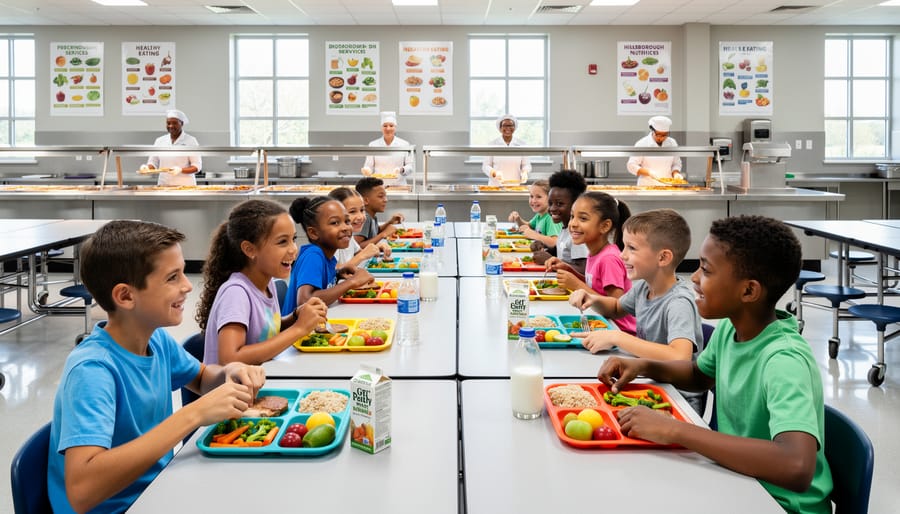
Meal Programs Available to Students
Hillsborough County Public Schools offers multiple meal programs designed to ensure every student has access to nutritious food throughout the school day. Understanding these options helps families take full advantage of available resources.
The National School Lunch Program and School Breakfast Program serve as the foundation of student nutrition services. Families who meet income eligibility guidelines can apply for free or reduced-price meals through a simple application process available online or at any school office. During the 2022-23 school year, approximately 58% of Hillsborough County students qualified for these benefits, reflecting the district’s commitment to addressing food insecurity.
Many Hillsborough County schools participate in the Community Eligibility Provision, which provides universal free breakfast and lunch to all students regardless of household income. This initiative eliminates stigma and ensures no child goes hungry due to paperwork barriers. Schools with at least 40% of students from low-income families qualify for this program.
For students with special dietary needs, the district accommodates medical conditions and food allergies when supported by physician documentation. Vegetarian options, gluten-free alternatives, and culturally diverse menu items are increasingly available across campuses.
The Fresh Fruit and Vegetable Program serves elementary schools, offering students healthy snacks between meals. Additionally, grab-and-go breakfast carts positioned in hallways make morning nutrition accessible for students who arrive at varying times.
Summer meal programs extend nutrition services beyond the academic year, with designated sites throughout the county providing free meals to children during vacation months. Parents can locate nearby feeding sites through the district website or by calling the nutrition services hotline.
Nutritional Standards and Menu Planning
Hillsborough County’s student nutrition program adheres to comprehensive USDA guidelines that establish specific requirements for calories, sodium, saturated fat, and essential nutrients across all meal services. These federal standards ensure every breakfast and lunch meets rigorous nutritional benchmarks while accommodating diverse dietary needs.
Menu development involves a collaborative approach that balances nutritional science with student preferences. Registered dietitians work alongside culinary teams to create rotating menus that feature whole grains, lean proteins, fresh fruits, and vegetables in formats students actually enjoy. For example, recent menu innovations include whole wheat pizza options, colorful grain bowls, and fresh fruit parfaits that meet nutritional requirements while appealing to student tastes.
The district prioritizes incorporating locally sourced ingredients through partnerships with Florida farmers and suppliers. This farm-to-school initiative brings seasonal produce like strawberries, citrus, and leafy greens directly to school cafeterias, supporting local agriculture while providing students with fresher, more flavorful meals. Data shows that schools featuring local ingredients experience 23% higher fruit and vegetable consumption rates among students.
Menus are regularly evaluated and adjusted based on student feedback surveys and participation data. This responsive approach ensures meals remain both nutritionally sound and appealing. The nutrition team also considers cultural preferences, offering diverse options that reflect Hillsborough County’s multicultural student population. Parents can access current menus online, complete with detailed nutritional information and allergen alerts, helping families make informed decisions about their children’s school meal choices.
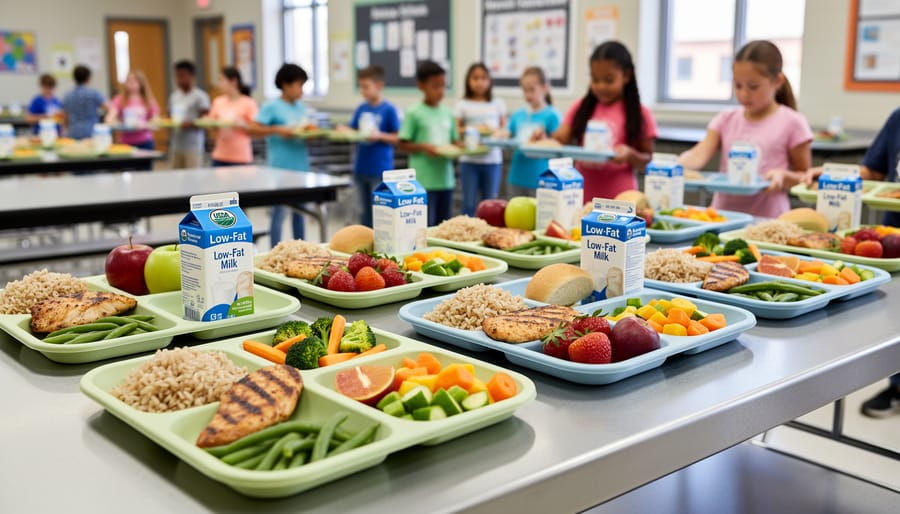
Getting Your Student Enrolled in Nutrition Programs
Eligibility and Application Process
Hillsborough County Schools determines eligibility for free and reduced-price meals based on federal income guidelines updated annually. Families can qualify through several pathways: household income levels, participation in programs like SNAP or TANF, or if children are homeless, migrant, runaway, or in foster care.
For the 2023-2024 school year, a family of four earning up to $41,479 annually qualifies for free meals, while those earning up to $59,038 qualify for reduced-price meals. These thresholds adjust based on household size, ensuring support reaches families who need it most.
The application process is straightforward and confidential. Parents can complete applications online through the Hillsborough County Schools website or submit paper forms available at school offices. Applications require basic household information, income details from the past 30 days, and case numbers if receiving assistance benefits. Schools process applications within ten days, and children receive meal benefits immediately upon approval.
According to district data, approximately 65 percent of Hillsborough County students qualify for free or reduced-price meals, demonstrating the program’s vital role in supporting local families. Applications remain active throughout the school year, so families experiencing financial changes should reapply promptly.
Required documentation includes pay stubs, benefit award letters, or income statements. For families receiving assistance benefits, providing the case number often eliminates the need for additional paperwork. School nutrition staff are available to help families navigate the application process, answer questions, and ensure all eligible students receive proper meal benefits without stigma or barriers.
Payment Options and Account Management
Hillsborough County Schools offers convenient prepaid meal account options that simplify the lunch payment process for families. Parents can deposit funds into their student’s account, eliminating the need for daily cash handling and reducing the risk of lost lunch money. According to district data, over 65% of families now use prepaid accounts, citing convenience and better budget tracking as primary benefits.
The district’s online payment portal, MySchoolBucks, provides 24/7 access for families to manage accounts from any device. Parents can add funds using credit cards, debit cards, or electronic bank transfers. The system sends low-balance email alerts, helping families stay ahead of meal needs. One parent from Plant High School shared that these notifications helped her family avoid embarrassing situations when her daughter’s account unexpectedly ran low.
For added convenience, automatic replenishment features allow families to set predetermined thresholds. When an account drops below a specified amount—typically $10 or $20—the system automatically adds a preset dollar amount. This feature proves especially helpful for busy families managing multiple children’s accounts or those managing meal payment accounts alongside other household expenses.
Checking account balances is straightforward through the online portal or by contacting the school cafeteria manager directly. Students can also ask cafeteria staff about their balance during meal service. The district recommends checking balances weekly to ensure uninterrupted meal access, particularly important since schools must provide alternate meals when accounts reach negative balances, which can create uncomfortable situations for students.
The Real Impact: How Nutrition Affects Student Performance

Academic Performance and Attendance Data
Research consistently demonstrates a powerful connection between student nutrition and academic success, with implications directly relevant to Hillsborough County schools. A comprehensive USDA study found that students participating in school breakfast programs showed 17.5% higher math scores and improved reading performance compared to non-participants. Additionally, these students experienced 20% fewer absences throughout the school year.
Data from Florida’s Department of Education reveals that schools with robust meal programs see measurable improvements in standardized test scores. Students receiving consistent, nutritious meals demonstrate better concentration spans and information retention. The way nutrition affects learning performance extends beyond immediate classroom engagement to long-term academic achievement.
Hillsborough County’s own tracking data shows participating students maintain higher grade point averages and demonstrate improved behavior metrics. Schools reporting the highest meal program participation rates also report fewer disciplinary incidents and stronger overall attendance patterns.
Research from the Journal of School Health indicates that adequate nutrition reduces chronic absenteeism by addressing hunger-related health issues. Students who start their day with proper nutrition are better equipped to focus, participate actively, and complete assignments successfully. These findings underscore why Hillsborough County continues expanding accessibility to nutrition services across all school communities.
Beyond the Classroom: Health and Development Benefits
Student nutrition services create ripple effects that extend far beyond the cafeteria line. When children receive consistent, nutritious meals through school programs, research shows measurable improvements in their long-term health trajectories. Students with regular access to balanced meals demonstrate better weight management, reduced risk of chronic diseases like diabetes, and stronger immune systems that mean fewer sick days and more learning opportunities.
The impact on childhood food insecurity is particularly significant. In Hillsborough County, where economic challenges affect many families, school meal programs serve as a critical safety net. Data from the USDA indicates that children who participate in school breakfast and lunch programs are 22% less likely to experience food insecurity compared to their peers without consistent meal access. This reliability allows parents to allocate limited resources to other essential needs like housing and healthcare.
Beyond physical health, proper nutrition directly supports cognitive and emotional development. Students who eat nutritious school meals show improved concentration, better memory retention, and enhanced problem-solving abilities. For example, teachers in Hillsborough County have reported noticeable behavioral improvements in students after breakfast program implementation, with fewer classroom disruptions and increased participation in learning activities. These developmental benefits compound over time, setting the foundation for academic success and healthier adult lives.
Smart Nutrition Strategies Educators Can Implement
Creating a Positive Meal Environment
Creating a welcoming and inclusive meal environment plays a crucial role in ensuring students benefit fully from Hillsborough County’s nutrition services. One of the most effective strategies involves implementing universal meal programs or “offer versus serve” models that eliminate visible distinctions between students receiving free meals and those paying. Data from schools using this approach shows a 23% increase in meal participation, as students feel more comfortable accessing services without fear of judgment.
To boost breakfast participation, many Hillsborough County schools have adopted “breakfast after the bell” programs, serving meals in classrooms during the first ten minutes of the day. This simple shift has resulted in attendance improvements of up to 15% and better academic focus during morning instruction periods. Schools report that when breakfast becomes part of the routine rather than an optional early-morning activity, participation rates climb from 35% to over 70%.
The physical cafeteria environment matters significantly too. Schools that incorporate longer lunch periods, allowing at least 20 minutes of actual eating time after students receive their food, see less food waste and improved nutrient consumption. Creating pleasant dining spaces with natural lighting, reduced noise levels, and comfortable seating arrangements makes mealtime a positive experience rather than a rushed obligation.
Educators can further support these efforts through personalized approaches to student engagement, recognizing that some students may need gentle encouragement or peer mentoring to feel comfortable participating in meal programs. Student ambassadors and positive messaging about nutrition services help normalize participation across all socioeconomic groups.
Nutrition Education Integration
Hillsborough County schools effectively integrate nutrition education across multiple touchpoints, creating meaningful learning opportunities that extend beyond the cafeteria. Science classes incorporate lessons about food groups, vitamins, and how nutrients fuel the body, while math teachers use meal planning and portion sizing to teach practical calculations. According to district data, schools that embed nutrition concepts into core subjects see a 23% increase in students making healthier lunch selections.
Physical education teachers partner directly with cafeteria staff to demonstrate the connection between food choices and athletic performance. For example, Gulf High School developed a program where nutrition services coordinators visit PE classes monthly to discuss energy-boosting meal strategies that support both academic focus and physical activity. These collaborative sessions have proven particularly effective, with student surveys showing 68% of participants reported trying new vegetables after these presentations.
Cafeteria managers serve as valuable educational partners, hosting behind-the-scenes tours where students learn about food safety, meal preparation, and sourcing local ingredients. Some Hillsborough schools have established student nutrition advisory boards that work alongside food service staff to taste-test new menu items and provide peer feedback.
Interactive bulletin boards near lunch lines display nutrition facts, seasonal produce information, and simple challenges like “try three different colored vegetables this week.” These low-cost initiatives create consistent touchpoints that reinforce healthy habits throughout the school day, making nutrition education accessible and engaging for all students.
Resources and Support Available to Families
Where to Get Help and Ask Questions
For questions about student nutrition services in Hillsborough County, parents and educators have multiple support channels available. The district’s Nutrition Services Department can be reached at (813) 794-2575 during business hours, Monday through Friday. Their main office is located at 3002 West Cypress Street, Tampa, FL 33609.
Each school has a designated cafeteria manager who serves as the first point of contact for meal-specific questions, dietary accommodations, and application assistance. Parents can find their school’s coordinator contact information through the school’s main office or the district website at www.sdhc.k12.fl.us.
For online resources, families can access meal applications, payment portals, and menu information through the Focus Parent Portal. This digital platform allows real-time account management and communication with nutrition staff, which is essential for supporting student wellness through proper nutrition.
Community partners also provide valuable assistance. Feeding Tampa Bay (813-254-1190) offers supplemental food resources, while the 2-1-1 helpline connects families with additional nutrition support programs. Data shows that 68% of families who utilize these combined resources report improved access to consistent, healthy meals for their students.
Summer and Extended Learning Programs
Hillsborough County ensures students maintain access to nutritious meals beyond the traditional school year. The district operates Summer Food Service Program sites at various locations throughout the county, providing free breakfast and lunch to children 18 years and under. During summer 2023, the program served over 400,000 meals across 75 feeding sites, demonstrating strong community engagement.
Parents can locate nearby summer feeding sites through the district’s interactive map on their website or by texting “FOOD” to 304-304. No enrollment or identification is required, making access simple for all families.
During virtual or hybrid learning periods, the district adapted by implementing grab-and-go meal distribution at designated school locations. Families could pick up multiple days’ worth of meals at once, accommodating working parents’ schedules. This flexibility helped maintain 85% participation rates compared to traditional in-person service.
Extended school year programs for students with special needs also include full meal services, ensuring nutritional support continues for those requiring additional academic assistance during breaks. The district coordinates transportation routes to align with meal distribution times, removing barriers to access for families without reliable transportation.
Student nutrition services in Hillsborough County play an indispensable role in creating the foundation for academic achievement and lifelong wellness. The evidence is clear: when students have access to nutritious meals, their academic performance improves, attendance rates increase, and behavioral issues decrease. Research from the School Nutrition Association indicates that students participating in school meal programs demonstrate up to 17.5% higher test scores compared to their peers without consistent access to healthy food.
The comprehensive programs available through Hillsborough County Public Schools—from free and reduced-price meals to summer feeding initiatives and grab-and-go options—are designed to ensure no student goes hungry. These services remove barriers to learning and provide essential support for families navigating challenging circumstances.
Parents and guardians are encouraged to complete meal applications at the beginning of each school year, even if they’re unsure about eligibility. Many families qualify for assistance but don’t realize it. Teachers and school staff can make a significant difference by staying informed about available resources and connecting families with nutrition services coordinators.
The connection between proper nutrition and student success is undeniable. By actively engaging with these programs, families and educators invest directly in children’s potential. Contact your school’s front office or visit the Hillsborough County Public Schools nutrition services website to learn more about enrollment, meal menus, and special dietary accommodations. Together, we can ensure every student has the fuel they need to learn, grow, and thrive.