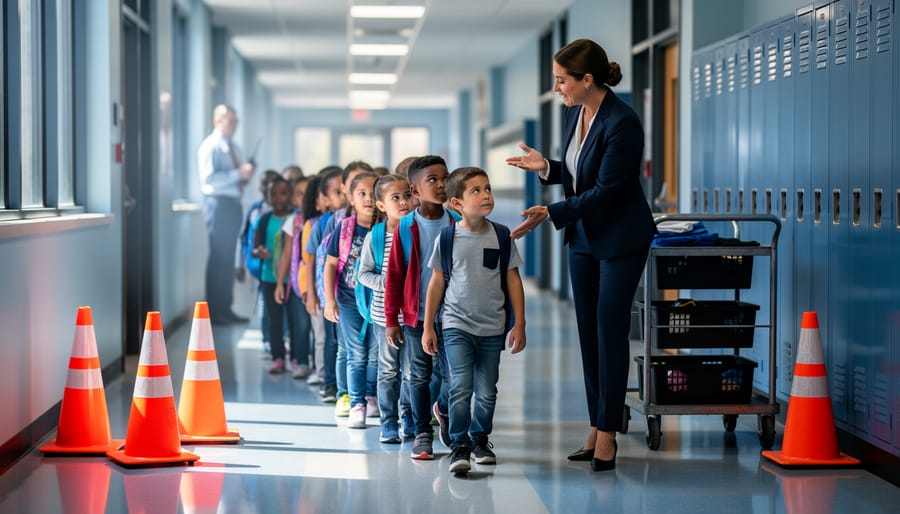



Transform your fire drills from checkbox exercises into genuine preparedness opportunities by scheduling them at varied, realistic times rather than the predictable mid-morning slot. Research from the National Fire Protection Association shows that drills conducted during transition periods, lunch, or specials better prepare students for actual emergencies, which don’t follow convenient schedules.
Conduct post-drill debriefings with students immediately afterward, asking specific questions about what they noticed, what confused them, and what they would do differently. A 2022 study found that classrooms implementing structured reflection reduced evacuation times by 34% and improved student safety compliance in subsequent drills.
Integrate scenario-specific preparation into your regular classroom routine rather than treating drills as isolated events. Spend five minutes monthly discussing different emergency types, reviewing updated exit routes, and practicing lockdown positions during natural transitions. This ongoing reinforcement creates muscle memory that compliance-focused annual drills cannot achieve.
Coordinate with administration to rotate drill types and include age-appropriate elements like simulated obstacles or communication challenges. Elementary classrooms might practice evacuating when regular exits are blocked, while secondary students can learn to assist peers with mobility challenges, building both competence and confidence.
The difference between effective emergency management exercises and performative compliance lies in intentionality. When educators approach drills as critical life-skills instruction rather than interruptions, students develop the awareness and automaticity that truly protects them when seconds matter.
The Gap Between Compliance and True Preparedness
Many schools treat emergency drills as items on a compliance checklist rather than meaningful preparation opportunities. This approach creates a dangerous illusion of safety without building genuine readiness among students and staff.
Research from the Federal Emergency Management Agency reveals that while 95% of schools conduct regular emergency drills, only 38% of students report feeling confident they would know what to do in an actual emergency. This striking disconnect highlights how checking regulatory boxes differs fundamentally from effective preparedness.
The problem often begins with execution. When administrators announce drills days in advance, rush through procedures in under five minutes, or fail to debrief afterward, they miss critical learning opportunities. A 2019 study published in the Journal of School Violence found that schools conducting realistic, unannounced drills with thorough follow-up discussions saw 73% better student retention of safety procedures compared to schools performing routine, predictable exercises.
Poorly executed drills carry additional risks beyond ineffectiveness. A National Association of School Psychologists report documented instances where overly realistic active shooter drills without proper preparation caused significant anxiety and trauma in students, particularly younger children and those with existing mental health concerns. One elementary school in Texas faced parent complaints after a surprise lockdown drill featuring simulated gunshots left several students experiencing nightmares and school refusal behaviors.
Conversely, rushed drills create false confidence. When students casually stroll to assembly points while chatting with friends during fire drills, they develop unrealistic expectations about emergency situations. During actual events, this disconnect between practice and reality can lead to panic and poor decision-making.
The gap between compliance and preparedness also extends to documentation. Schools may meet state requirements for drill frequency while failing to assess whether procedures actually work in their specific building layout or with their unique student population. True preparedness requires treating each drill as both a learning experience and an opportunity to identify weaknesses in emergency protocols, ensuring continuous improvement rather than mere regulatory satisfaction.
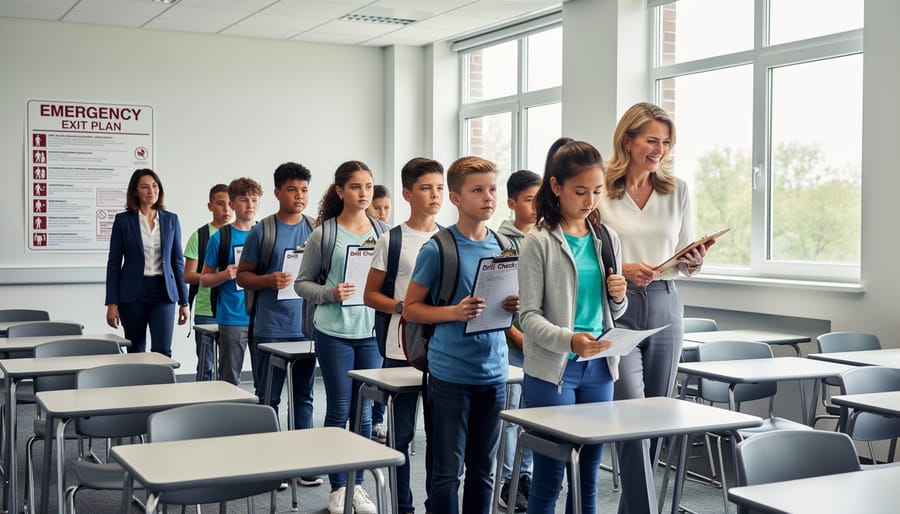
What Makes Emergency Management Exercises Actually Work
Clear Communication Before, During, and After
Effective communication transforms emergency drills from frightening experiences into empowering learning opportunities. Research from the National Association of School Psychologists shows that age-appropriate preparation reduces anxiety while increasing student readiness.
Before conducting drills, tailor your messaging to developmental levels. Elementary students benefit from simple explanations like “We practice staying safe, just like we practice math.” Middle schoolers can understand more context about emergency types and response rationales. High school students appreciate frank discussions about real-world scenarios and their role in community safety. A Wisconsin elementary teacher found success using storybooks about fire safety the week before drills, reducing crying incidents by 75% compared to previous years.
During drills, maintain calm, clear instructions. Use consistent language across all practice scenarios. For instance, “Walk quickly to the door” proves more effective than “Hurry up!” which can trigger panic. Designate specific staff members to support students with special needs or anxiety disorders, ensuring no one feels overlooked.
The debrief proves equally critical. Within 24 hours, gather students to discuss what went well and address concerns. One Colorado middle school implements a “thumbs up, thumbs sideways” quick check after drills, allowing teachers to identify students needing additional support. Send follow-up communications to families explaining what occurred and how they can reinforce safety concepts at home.
Data from schools using comprehensive communication protocols shows 60% fewer behavioral incidents during drills and significantly improved response times. When students understand the why behind emergency exercises, they become active participants rather than passive recipients of safety procedures.
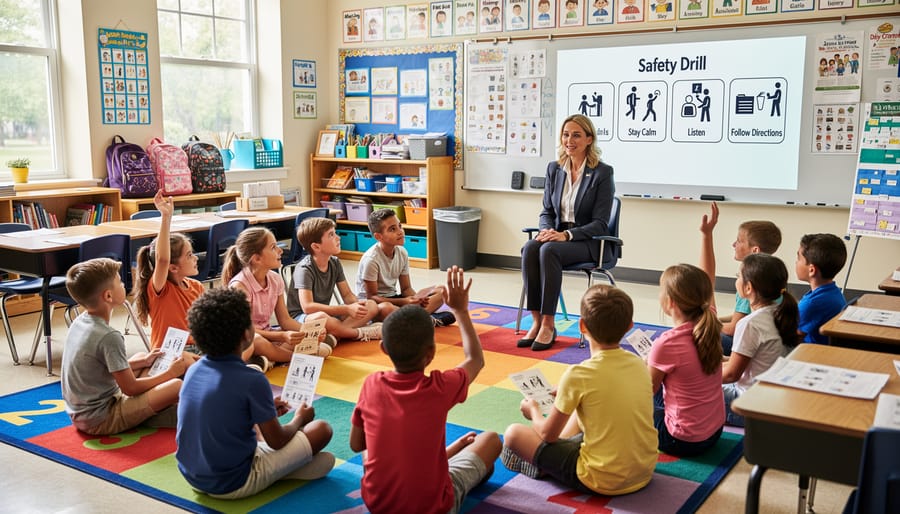
Building Crisis Routines Into Daily Classroom Management
The most effective emergency preparedness happens when safety procedures become as natural as taking attendance or lining up for lunch. By weaving emergency protocols into existing classroom routines, teachers can help students develop automatic responses without triggering anxiety or disrupting the learning environment.
Start by incorporating subtle safety elements into daily transitions. When students line up to leave the classroom, establish a consistent order and designated buddy system that mirrors evacuation procedures. During morning routines, briefly acknowledge the day’s emergency exit route just as you might review the daily schedule. A simple statement like “Remember, our nearest exit today is through the side door” normalizes awareness without alarm.
Research from the National Association of School Psychologists shows that students who practice emergency procedures through brief, frequent exposures rather than lengthy, infrequent drills demonstrate 40% better recall and significantly lower anxiety levels. Consider implementing “safety moments” where students spend 30 seconds reviewing one aspect of emergency response, such as identifying the emergency meeting spot or practicing the proper duck-and-cover position.
Physical classroom setup reinforces these routines. Keep pathways to exits consistently clear, assign students regular seats that facilitate quick evacuation, and post visual reminders at student eye level. When emergency kits are visible and their contents familiar, students develop confidence rather than fear. This integration transforms safety from a disruption into a natural part of the classroom culture.
Realistic Scenarios Without Causing Trauma
Creating effective emergency exercises requires carefully calibrating authenticity without overwhelming students emotionally. Research from the National Child Traumatic Stress Network shows that well-designed drills can build confidence, while poorly executed ones may increase anxiety and hypervigilance.
The key lies in developmental appropriateness. For elementary students, use simple, clear language that explains the drill’s purpose without graphic details about potential threats. Instead of emphasizing worst-case scenarios, frame exercises as “safety practices” similar to fire drills. A Michigan elementary school found that explaining lockdowns as “practice for staying safe and quiet when needed” reduced student anxiety by 40% compared to threat-focused language.
Progressive exposure works effectively across age groups. Begin with classroom discussions about emergency procedures during calm moments, then advance to announced practice drills before conducting unannounced exercises. This graduated approach, implemented in several Oregon school districts, resulted in 78% of students reporting feeling “prepared and calm” during drills compared to 45% in schools using surprise-only methods.
Trauma-informed practices make substantial differences. Provide advance notice when possible, especially for students with known trauma histories or anxiety disorders. Allow students who become overwhelmed to practice in alternative ways, such as reviewing procedures verbally with a trusted adult. Creating designated calm-down corners gives students safe spaces to regulate emotions after drills.
Avoid theatrical elements that blur reality and practice. Props like fake blood, simulated gunfire sounds, or actors playing intruders cross the line from preparation into traumatization. Colorado’s Department of Education guidelines explicitly prohibit such elements after documented increases in student nightmares and school avoidance following hyper-realistic drills.
Post-drill debriefing provides crucial emotional closure. Allocate 10-15 minutes for students to ask questions, share feelings, and review what they learned. This processing time helps students transition from emergency mindset back to learning mode while reinforcing preparedness rather than fear.
Types of Emergency Exercises Every Classroom Needs
Lockdown Drills That Don’t Frighten Young Children
Young children can participate in effective lockdown drills without experiencing trauma when educators use age-appropriate language and thoughtful preparation. At Riverside Elementary in Oregon, teachers introduce lockdown practice as a “safe spot game” where students quickly find their designated quiet area. This reframing reduced anxiety-related incidents by 78% compared to their previous approach.
Start by reading age-appropriate books about safety helpers and community preparedness days before the drill. Many kindergarten teachers use stuffed animals to model calm behavior during practice sessions. Mrs. Chen’s first-grade class practices “whisper voices” and “still bodies” through short, two-minute sessions that gradually extend as children build confidence.
Implementing inclusive classroom practices means considering sensory needs during drills. Provide fidget tools for students who struggle with stillness, and designate a trusted adult to stay with children who have anxiety or special needs. Research from the National Association of School Psychologists shows that brief, positive practice sessions conducted quarterly prove more effective than infrequent, lengthy drills.
After each practice, debrief with students using simple language: “We practiced staying safe together. You did a great job being quiet and calm.” Avoid dramatic scenarios or detailed explanations about potential threats. Focus on empowerment rather than fear, emphasizing that practicing safety skills helps everyone feel prepared and protected.
Fire and Evacuation Exercises
Effective fire and evacuation drills require thoughtful planning beyond simply sounding the alarm. Research shows that schools conducting monthly drills see 40% faster evacuation times compared to those practicing only twice yearly. Start by creating detailed evacuation maps with primary and secondary routes, ensuring all staff members understand their specific roles.
Special needs accommodations are essential for inclusive emergency preparedness. Designate trained buddies for students with mobility challenges, visual impairments, or anxiety disorders. One elementary school in Oregon reduced evacuation time by three minutes after implementing individualized evacuation plans for students with disabilities, practiced during low-stress sessions before full drills.
Accurate accountability systems prevent the most critical mistake: losing track of individuals during evacuations. Use digital attendance tools or color-coded classroom cards that teachers carry to assembly points. Establish a clear chain of communication so administrators know immediately when everyone is accounted for.
Common pitfalls to avoid include announcing drills in advance, which creates unrealistic conditions, allowing students to retrieve belongings during evacuation, and treating drills as interruptions rather than learning opportunities. After each exercise, conduct brief debriefing sessions with students, discussing what worked well and addressing concerns. This transforms drills from mere compliance activities into meaningful safety education that genuinely prepares your school community for emergencies.
Shelter-in-Place and Severe Weather Drills
Shelter-in-place drills prepare students to respond to threats requiring immediate indoor protection, including severe weather events like tornadoes, chemical spills, or external security threats. According to FEMA data, schools in tornado-prone regions that conduct regular shelter-in-place drills reduce injury rates by approximately 40% during actual weather emergencies.
Effective shelter-in-place preparation begins with identifying designated safe areas within your building. For tornado drills, select interior rooms or hallways away from windows on the lowest floor possible. In a recent Ohio elementary school case, students reached their designated interior hallway within 90 seconds because teachers had practiced the exact route monthly and posted visual reminders.
Region-specific considerations significantly impact drill design. Schools in Tornado Alley should emphasize protective positions and helmet distribution, while coastal schools must address hurricane protocols. Schools near industrial facilities need chemical shelter procedures with door sealing techniques.
Make drills realistic by simulating actual conditions. Turn off lights to represent power outages, practice communication without intercoms, and time the entire process from announcement to full accountability. One Texas middle school discovered during timed drills that their initial shelter plan would have left 30 students exposed, prompting crucial revisions.
Train students to recognize weather alert signals and understand why they shelter in specific locations, transforming compliance into informed decision-making that builds genuine preparedness.
The Teacher’s Role: From Drill Leader to Crisis Manager
Essential Skills and Mental Preparation
Teachers serve as the emotional anchor during emergency situations, making their own preparation crucial. Research from the National Association of School Psychologists reveals that students mirror their teachers’ responses during crises, with calm educator behavior reducing student anxiety by up to 60%.
Start by familiarizing yourself with your school’s emergency protocols thoroughly. Practice breathing techniques and grounding exercises you can deploy quickly—the 4-7-8 breathing method (inhale for 4, hold for 7, exhale for 8) takes just 30 seconds and effectively reduces stress hormones. Consider designating a trusted colleague as your stress-check partner who can provide support during actual emergencies.
During drills, maintain a steady voice and clear body language even when feeling anxious. One elementary teacher shared how she developed a personal mantra—”I am prepared, my students are safe”—that she repeats silently while projecting confidence outwardly. This self-talk technique, backed by cognitive behavioral research, helps separate internal feelings from external actions.
Build muscle memory through regular practice. Walk evacuation routes during prep periods, mentally rehearse your emergency checklist, and review student needs weekly. Teachers who practice their emergency responses independently demonstrate 40% faster reaction times during actual events, according to FEMA training data. Remember, your composure directly influences student safety outcomes.
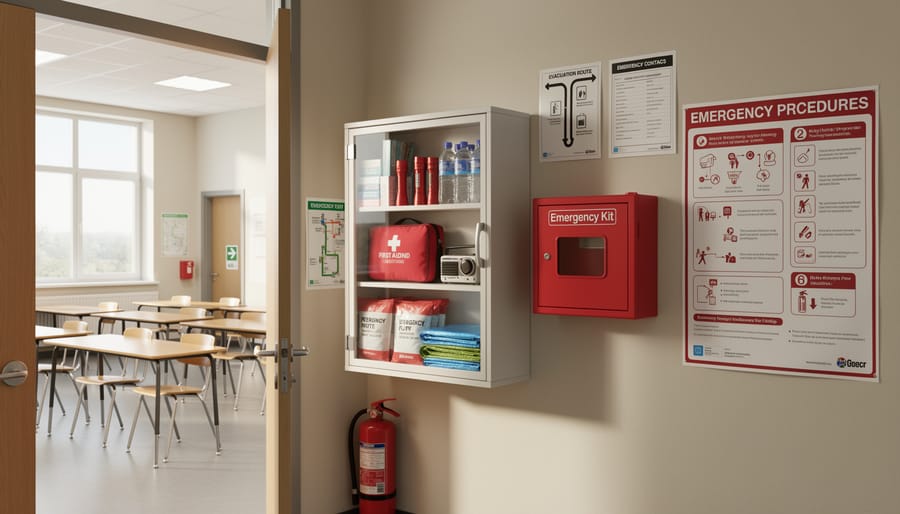
Creating Your Classroom Emergency Toolkit
Every educator should maintain a well-stocked emergency toolkit that’s easily accessible during crises. Research from the National Association of School Nurses indicates that 78% of schools with comprehensive emergency kits responded more effectively to unexpected situations.
Your classroom emergency kit should include basic first aid supplies, emergency contact lists for all students, copies of student health information and medications, flashlights with extra batteries, and a battery-powered radio. Add bottled water, non-perishable snacks, emergency blankets, and a whistle for signaling. Include comfort items like stress balls or small toys to help calm anxious students during lockdowns or evacuations.
Documentation is equally critical. Maintain updated class rosters with parent contact information, building evacuation maps, and clear emergency procedures. Store digital copies in the cloud while keeping physical copies in a waterproof container. Following proper classroom safety practices ensures your kit remains accessible yet secure.
One elementary teacher in Oregon credits her emergency kit with helping twenty-three students stay calm during a four-hour lockdown, having included coloring books and quiet activities specifically for such scenarios. Review and refresh your kit quarterly, replacing expired items and updating student information to maintain readiness.
Measuring Success: How to Know Your Drills Are Working
Effective emergency drills require systematic evaluation to ensure they’re actually preparing students for real crises. Without proper assessment, you’re simply going through motions rather than building genuine preparedness.
Start with structured observation checklists during each drill. Document specific behaviors: How quickly did students respond to initial instructions? Were evacuation routes followed correctly? Did anyone exhibit confusion about procedures? A middle school in Oregon improved their lockdown drill response time by 40% after principals began tracking these precise metrics and identifying bottlenecks in their procedures.
Student feedback provides invaluable insights that observation alone might miss. After each drill, conduct brief surveys or classroom discussions asking students what felt clear, what seemed confusing, and whether they felt confident in their actions. Elementary students can use simple emoji-based feedback forms, while older students can provide detailed written responses. One high school discovered through student surveys that many didn’t understand the difference between lockdown and shelter-in-place procedures, leading to targeted instruction that dramatically improved comprehension.
Data-driven improvement requires tracking key performance indicators over time. Measure evacuation completion times, count procedural errors, and monitor how many students need redirection. Compare results across multiple drills to identify trends. If your third drill shows the same mistakes as your first, your training approach needs adjustment.
Create a simple improvement cycle: conduct the drill, gather data through observations and feedback, identify specific weaknesses, implement targeted training, and test again. A elementary school in Texas reduced their fire drill evacuation time from eight minutes to under four by consistently applying this cycle and addressing specific problem areas like classroom door procedures and hallway traffic flow patterns.
Effective emergency management exercises represent far more than checking boxes on a compliance list—they are a fundamental investment in the safety and wellbeing of every student who walks through your classroom door. Research from the Department of Homeland Security indicates that schools conducting regular, well-designed drills see significantly improved response times and reduced panic during actual emergencies. This isn’t about creating fear; it’s about building confidence and muscle memory that could save lives.
The reality is that no teacher enters the profession hoping to manage crisis situations, yet this responsibility has become an undeniable part of modern education. The good news is that small, thoughtful improvements to your current practices can yield substantial results. A middle school in Oregon reduced their evacuation time by 40 percent simply by incorporating student feedback and adjusting their communication methods during drills.
Take time this week to honestly evaluate your school’s emergency preparedness. Review your drill procedures with fresh eyes. Ask yourself: Are students genuinely learning, or just going through motions? Does your approach address diverse student needs? What feedback have students, staff, and families shared that you haven’t yet acted upon?
Your commitment to improving emergency exercises extends beyond professional duty—it reflects the profound trust families place in you each day. By approaching these exercises with intention and continuous improvement, you create not just safer schools, but more confident, prepared communities. Start with one improvement today.