



Effective instructional methods transform classroom learning by combining targeted teaching strategies with deliberate practice and assessment cycles that adapt to diverse student needs. The most successful approach involves selecting evidence-based methods aligned with your learning objectives, preparing supporting materials and assessments, implementing them through structured lessons, and verifying impact through student performance data. This systematic framework takes 2-4 weeks to pilot a new method and typically requires moderate planning expertise, but delivers measurable improvements in student engagement and achievement.
Modern educators face real barriers that limit adoption of proven instructional strategies. Recent scholarship shows that many teachers struggle with limited time, insufficient resources, and low confidence when trying new approaches. A common misconception equates computational thinking with coding alone, which narrows what could be interdisciplinary skill development. These systemic challenges explain why research-backed methods often remain confined to academic journals rather than shaping daily classroom practice.
The solution lies in hands-on, collaborative professional development that bridges theory and application. Well-designed training programs that include introduction to core concepts, exploration of both unplugged and digital activities, collaborative lesson design, and reflective discussion significantly improve teacher readiness. One 2026 workshop model, “Empowering Teachers Through Computational Thinking Empowers Students,” demonstrates this framework through four components evaluated via pre- and post-surveys, reflective dialogue, and analysis of teacher-created lesson plans.
This guide walks you through selecting, preparing, implementing, and verifying instructional methods in your classroom. You’ll learn which strategies work for specific learning goals, how to build supporting materials, what implementation looks like step-by-step, and how to measure whether students are actually learning. The framework applies whether you’re introducing project-based learning, differentiated instruction, or computational thinking approaches across subject areas.
Understanding Core Instructional Methods
Before you can successfully implement new teaching strategies, you need a clear grasp of what each approach actually entails and how it differs from what you might already be using. The most common instructional methods fall into several distinct categories, each serving different learning goals and student needs.
Direct instruction remains one of the most widely used approaches. It involves explicit teaching where you present information, model skills, and guide practice step-by-step. This method works particularly well when introducing new concepts or teaching foundational skills that students need before tackling complex problems. Think of it as building a scaffold, you’re providing clear structure and support before students work independently.
Collaborative learning flips the dynamic by placing students in groups where they work together to solve problems, complete projects, or explore topics. Rather than receiving information from you, students construct knowledge through peer interaction and shared inquiry. This approach develops critical thinking and communication skills while allowing students to learn from multiple perspectives.
Inquiry-based learning pushes students to ask questions, investigate, and discover answers through research and experimentation. Instead of telling students what they need to know, you pose problems or questions that require them to explore, analyze evidence, and draw conclusions. This method builds research skills and deeper understanding, though it requires more time than direct instruction.
Computational thinking integration represents a newer instructional approach that many educators misunderstand. Recent research shows that teachers often equate computational thinking with coding alone, but it’s actually a broader problem-solving framework. Computational thinking involves breaking complex problems into smaller parts, identifying patterns, creating step-by-step solutions, and generalizing those solutions to new contexts. You can teach these skills through unplugged activities that require no technology at all, making computational thinking accessible regardless of your school’s resources.
Understanding these distinctions matters because choosing the wrong method for your learning objective wastes time and frustrates students. A synthesis of recent scholarship found that misconceptions about teaching approaches, combined with systemic barriers like limited time and resources, frequently prevent educators from effectively adopting new instructional methods. When you know precisely what each approach offers and requires, you can match methods to your curriculum needs, student readiness levels, and available resources, setting yourself up for successful implementation rather than trial-and-error frustration.
What You’ll Need to Get Started
Before you dive into applying new instructional methods, gather the essential resources that set you up for success. Research shows that limited time, resources, and confidence are common barriers educators face when adopting unfamiliar teaching strategies. Addressing these challenges upfront makes implementation smoother and more sustainable.
Here’s what you need to assemble:
- Dedicated planning time: Schedule at least 3-5 hours initially for learning and lesson design, then ongoing time for refinement
- Professional development access: Online workshops, webinars, or self-paced courses focused on your chosen instructional methods
- Collaborative support network: Colleagues willing to co-design lessons, share experiences, and provide feedback
- Lesson design framework: A clear lesson plan outline template that aligns with your curriculum standards
- Unplugged activity materials: Physical manipulatives, worksheets, or tangible resources that don’t require technology
- Digital tools and platforms: Age-appropriate software, apps, or online resources that support your instructional approach
- Assessment instruments: Pre- and post-surveys or reflection tools to measure your progress and student outcomes
The good news is that effective professional development doesn’t require expensive technology. Many successful implementations center on hands-on, collaborative experiences that use simple materials. For example, workshops introducing computational thinking concepts often begin with unplugged activities using paper, markers, and manipulatives before moving to digital platforms. This approach builds confidence gradually while addressing the misconception that certain instructional methods require extensive technical infrastructure.
Start by securing one or two items from this list, particularly access to training and collaborative support. Well-designed professional development, especially when it’s hands-on and interdisciplinary, significantly improves teacher readiness, making the other resources easier to integrate over time.
Important Considerations Before You Begin
Before you introduce new instructional methods into your classroom, recognize the real obstacles that derail well-intentioned efforts. Recent research shows that teachers frequently equate computational thinking with coding alone, missing the broader problem-solving frameworks these approaches develop. This kind of misconception, left unaddressed, leads to narrow implementation that undermines the method’s potential.
Time constraints, limited resources, and lack of confidence represent systemic barriers, not personal failings. If you’re already stretched thin with curriculum demands and administrative tasks, adding another teaching strategy without adequate support sets you up for failure. Don’t force a one-size-fits-all approach across all subjects or student groups. A method that works brilliantly for collaborative science inquiry might fall flat in a context requiring direct skill instruction.
Check your students’ readiness too. If learners lack foundational knowledge or skills that a particular method assumes, back up and build those prerequisites first. Similarly, rigid curriculum constraints or high-stakes testing pressures sometimes require you to delay implementation until you’ve secured administrative buy-in or found strategic entry points. Starting small with one unit or one class, rather than overhauling everything at once, gives you room to learn and adjust without overwhelming yourself or your students.
Step-by-Step Process for Implementing Instructional Methods

Step 1: Build Your Foundational Knowledge
Start by identifying where you currently stand with the instructional methods you want to implement. Many educators share the same starting point, limited familiarity with theoretical frameworks and common misconceptions about what certain approaches actually involve. For instance, teachers often equate computational thinking with coding alone, when it encompasses much broader problem-solving skills applicable across all subjects.
Professional development workshops offer the most structured entry point. Online options like “Empowering Teachers Through Computational Thinking Empowers Students” introduce core concepts systematically, helping you grasp pedagogical principles before attempting classroom application. These workshops typically begin with foundational theory, what the method is, why it works, and how it differs from what you might already be doing.
If formal workshops aren’t immediately accessible, peer learning communities provide an alternative. Connect with colleagues who’ve already adopted the methods you’re exploring. Ask specific questions: What misconceptions did they have initially? Which theoretical frameworks actually proved useful in practice? What surprised them most about the approach?
Self-study works when you focus on understanding, not just reading. Don’t simply collect articles and curriculum guides. Instead, engage critically with the material. Write out how a framework applies to a lesson you already teach. Sketch connections between the theoretical principles and your students’ actual learning needs.
The goal at this stage isn’t mastery, it’s building enough conceptual understanding that you won’t misapply the method later. You’re creating a mental map of the approach before you navigate with it in real time.
Step 2: Explore Hands-On Activities
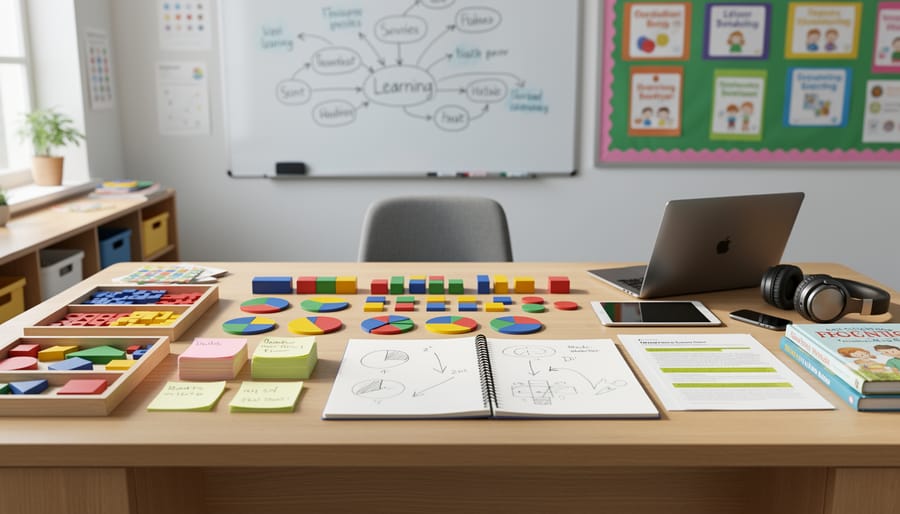
Once you’ve built your foundational understanding, the next crucial step is to personally engage with the activities you’ll eventually bring to your students. This hands-on exploration serves two purposes: it builds your own confidence with unfamiliar methods and helps you anticipate where students might struggle or excel.
Start with unplugged activities that require no technology. For example, try collaborative problem-solving exercises where teachers work together to sequence steps in a process, break down a complex task into manageable parts, or identify patterns in real-world scenarios. These activities demonstrate how inquiry-based and collaborative learning function without digital barriers. Work through them with colleagues, discussing how each step builds understanding and where you might incorporate scaffolding strategies for different learner needs.
Next, explore digital activities using the same collaborative approach. Test educational software, simulation tools, or interactive platforms together. The key is experiencing both the student perspective and the teacher facilitation role. When you encounter a confusing interface or an unclear instruction, note it, your students will likely face the same obstacle.
This exploration phase directly addresses the confidence barrier many educators face when adopting new methods. By trying activities firsthand in a supportive, collaborative environment, you’ll discover which approaches feel natural to your teaching style and which require more practice before classroom implementation.
Step 3: Design Your Lessons Collaboratively

Start by partnering with colleagues who teach different subjects or grade levels. Collaborative lesson design builds confidence, sparks creative connections you wouldn’t see alone, and ensures your plan addresses real classroom constraints. Schedule a focused planning session, even 30 minutes works, where you collectively identify a specific learning objective tied to your curriculum standards.
Choose an instructional method that matches that objective. If students need to apply concepts in new contexts, inquiry-based learning fits better than direct instruction. If they’re building foundational skills, combine direct teaching with small group instruction for differentiation. Don’t force a trendy approach just because it’s popular; the method should serve the goal.
Next, map how multiple methods can work together within one lesson. You might open with direct instruction to introduce core concepts, transition to collaborative problem-solving in groups, then close with individual reflection. This layered approach keeps students engaged and addresses different learning preferences without overwhelming your planning time.
Use a structured lesson planning framework to organize your ideas and ensure alignment with standards. Work through each component together: anticipate misconceptions, decide where technology adds value versus where unplugged activities work better, and identify assessment checkpoints. Your colleagues will catch gaps you miss and suggest practical tweaks based on their own classroom experience.
Document what you create so you can refine it after teaching. Collaborative design isn’t one-and-done, it’s the foundation for the reflection cycle that comes next.
Step 4: Reflect and Refine Your Practice
After you’ve introduced new instructional methods to your students, set aside dedicated time to reflect on what happened. This isn’t about judging yourself, it’s about learning from real classroom experiences so you can teach better next time.
Schedule a reflective conversation with colleagues who are also trying new approaches. Discuss specific moments: Which activities kept students engaged? Where did confusion arise? What surprised you? Talking through these details helps you spot patterns you might miss when reflecting alone. For example, if three teachers notice students struggled with the same transition point in a lesson, that’s valuable data for revision.
Keep your reflections concrete. Instead of “the lesson went well,” ask: Did students grasp the core concept? Could they apply it independently? Did the pacing work, or did you rush? Write down two or three specific observations while they’re fresh. Over time, these notes reveal which instructional methods suit your teaching style and your students’ needs.
Use what you learn to refine your approach. If collaborative activities felt chaotic, try clearer role assignments next time. If direct instruction lost students’ attention, consider breaking it into shorter segments with practice built in. Small, targeted adjustments, tested and reflected upon again, build your confidence and expertise far more effectively than attempting wholesale changes.
Reflection transforms trial-and-error into purposeful growth. The teachers who master new instructional methods aren’t the ones who get it perfect immediately; they’re the ones who consistently ask what worked, what didn’t, and what to try next.
How to Know Your Implementation Is Working
Measuring whether your new instructional methods are genuinely improving outcomes requires systematic evaluation across multiple dimensions. Start by administering pre- and post-implementation surveys to assess your own confidence, subject-matter knowledge, and comfort with the teaching approach. These surveys reveal shifts in your readiness and identify areas where you might need additional support or professional development.
Student engagement metrics offer direct evidence of impact. Track observable changes in participation rates, quality of student questions, depth of peer collaboration, and overall enthusiasm during lessons that incorporate the new methods. If students are leaning in, asking more thoughtful questions, and sustaining focus longer than before, you’re seeing meaningful progress.
Analyzing your lesson plan quality provides insight into how well you’ve internalized the approach. Review whether your plans integrate multiple instructional methods purposefully, include appropriate scaffolding for diverse learners, and align activities with specific learning objectives. Strong lesson plans demonstrate that you’re moving beyond surface-level adoption to thoughtful, strategic implementation.
Reflective dialogue with colleagues who are also implementing new methods creates a feedback loop for continuous improvement. These conversations should surface both successes and struggles, allowing you to compare experiences and refine your practice collectively. Look for concrete indicators that your implementation is taking hold:
- Increased variety in assessment strategies that match different instructional approaches
- Higher rates of student task completion and sustained effort on challenging activities
- Greater interdisciplinary connections appearing naturally in your lessons
- Reduced reliance on worksheets or passive learning formats
- Improved student ability to explain their thinking and problem-solving processes
Finally, examine student learning gains through formative and summative assessments that align with your instructional goals. If students demonstrate deeper conceptual understanding, stronger critical thinking skills, and better retention compared to previous cohorts, your implementation is working. Don’t expect perfection immediately, meaningful change unfolds over months, not weeks.
Frequently Asked Questions
How can I implement new instructional methods when I barely have time to plan my existing lessons?
Start small by choosing one instructional approach to pilot in a single unit rather than overhauling everything at once. Collaborate with colleagues to share the planning workload, and consider adapting existing lesson plans rather than creating entirely new ones from scratch.
Is formal professional development really necessary, or can I just learn on my own?
While self-study has value, research shows that well-designed professional development, particularly when it’s hands-on, collaborative, and interdisciplinary, significantly improves teacher readiness and confidence. Structured learning helps you avoid common misconceptions and provides peer support as you build new skills.
What if I lack confidence with an instructional method like computational thinking?
Experience the activities yourself before bringing them to students. Many effective instructional approaches, including computational thinking, incorporate unplugged (no-technology) activities that don’t require technical expertise, and hands-on exploration builds confidence faster than reading about concepts alone.
How do I address systemic barriers like lack of resources or administrative support?
Document your rationale for trying new methods with evidence of their effectiveness, seek out free or low-cost resources online, and build allies among colleagues who can advocate with you. Sometimes demonstrating success with a pilot implementation creates the momentum needed to secure broader support.
These questions reflect the real challenges you’ll encounter as you work to improve your instructional practice. Limited time and resources remain genuine obstacles, but they don’t have to stop you completely. The key is approaching implementation strategically rather than waiting for perfect conditions that may never arrive.
Remember that many educators face similar barriers. Teachers frequently report feeling uncertain about unfamiliar methods, particularly when misconceptions exist about what those methods actually involve. For instance, computational thinking is often equated with coding alone, when in reality it encompasses problem-solving strategies applicable across all subjects. Addressing these misconceptions early through quality professional development prevents wasted effort and frustration down the road.
If you’re facing resistance from administrators or colleagues, frame new instructional methods in terms of student outcomes and curriculum alignment rather than as extra work. Show how these approaches address existing learning objectives more effectively, and invite skeptics to observe your classroom as you implement changes. Seeing engaged students often converts doubters more convincingly than any written proposal could.
Implementing new instructional methods is not an overnight transformation. It’s a deliberate, step-by-step process that requires patience, support, and a willingness to learn alongside your students. The evidence is clear: well-designed professional development that is hands-on, collaborative, and interdisciplinary significantly improves teacher readiness and confidence. When you invest time in building foundational knowledge, exploring activities firsthand, designing lessons with colleagues, and reflecting on your practice, you create sustainable change that benefits every learner in your classroom.
Start small. Choose one instructional method that aligns with your current curriculum and student needs. Master it through practice and reflection, then expand your repertoire gradually. You don’t need to overhaul your entire teaching approach at once. Each new strategy you implement with intention adds another tool to your professional toolkit.
Your thoughtful instructional choices do more than improve lesson delivery. They model lifelong learning for your students, demonstrate that growth requires effort and persistence, and create classroom environments where diverse learners can thrive. When you empower yourself through continuous professional growth, you ultimately empower your students to become confident, capable thinkers prepared for whatever challenges lie ahead.