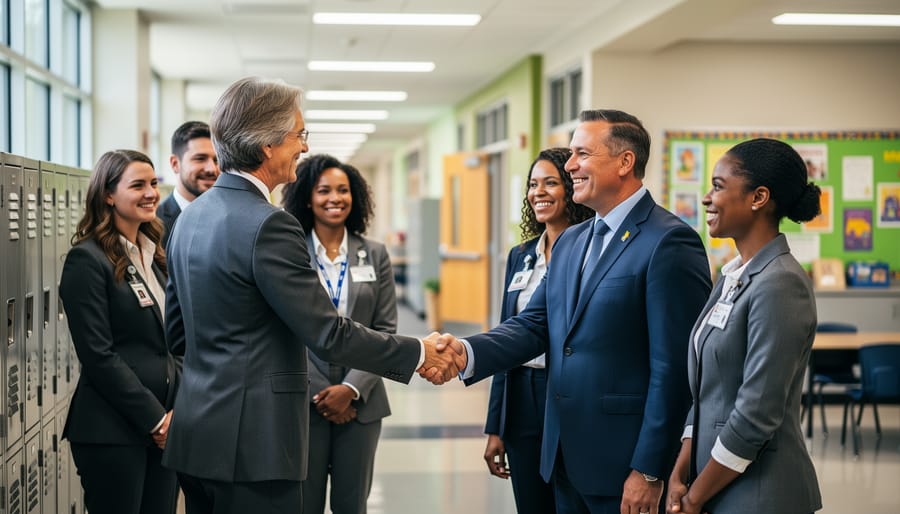



School principals work behind the scenes to keep campuses running smoothly, yet their contributions often go unrecognized. Thoughtful appreciation for principals requires more than a generic gift card or rushed thank-you note. Effective recognition acknowledges their specific leadership impact, involves the broader school community, and offers meaningful gestures that reflect the demands of their role.
Principals juggle complex responsibilities daily: managing staff, navigating district requirements, addressing parent concerns, and creating safe learning environments. Recognition that resonates acknowledges these realities. A well-planned appreciation effort can boost morale, strengthen school culture, and reinforce the collaborative relationship between principals and their teams.
The challenge lies in moving beyond token gestures. Many schools default to predictable options without considering what principals actually value. Some leaders appreciate public recognition; others prefer private expressions of gratitude. Budget constraints often limit options, while time pressures make elaborate planning unrealistic for busy staff and parent groups.
This guide presents 12 practical principal appreciation ideas, ranging from no-cost gestures to coordinated school-wide events. Each option includes implementation details, estimated costs, and timing considerations. You’ll find approaches suitable for different school sizes, budgets, and community dynamics. Whether you’re organizing as a PTA member, fellow administrator, or teacher representative, these strategies help you plan recognition that feels personal rather than perfunctory.
The ideas ahead prioritize authenticity over expense, focusing on gestures that principals will genuinely value. You’ll learn how to gather input appropriately, involve students meaningfully, and time your recognition for maximum impact.
Why Principal Appreciation Matters in School Communities
Principals shoulder responsibility for everything from instructional leadership to crisis management, often working far beyond contract hours while making decisions that affect every student and staff member. They set the tone for school culture, mediate conflicts, advocate for resources, and carry the weight of accountability measures that can determine a school’s reputation and funding. When this work goes unrerecognized, principals feel the isolation that comes with being the ultimate decision-maker, the person everyone turns to but few think to support.
Recognition changes this dynamic by reminding principals that their efforts are seen and valued. It combats burnout by affirming that the long hours, difficult conversations, and constant problem-solving matter to the people they serve. When staff and students express genuine appreciation, principals gain the emotional fuel to sustain their work through challenging periods like budget cuts, staffing shortages, or community conflicts.
The impact extends beyond the individual principal. Schools where appreciation flows in all directions, including toward leadership, tend to have stronger collaborative cultures. Teachers feel more comfortable taking risks when they see their principal supported. Students pick up on the respect adults show one another. Parent involvement often increases when families see a united, mutually supportive school community. Appreciation becomes contagious, creating cycles of recognition that benefit everyone rather than leaving the principal as the sole giver of thanks.
1. Personalized Video Tribute from Students and Staff

A personalized video tribute transforms individual appreciation into a collective celebration that principals can revisit whenever they need encouragement. The format works because it captures authentic voices from across the school community, kindergarteners sharing what they learned, veteran teachers highlighting leadership moments, custodians and cafeteria staff adding perspectives principals rarely hear directly.
Start by designating a coordinating team of two to three people who can manage collection and editing without overwhelming staff. Send clear instructions with a submission deadline two weeks out: 15-30 second clips, filmed horizontally in good lighting, saying something specific rather than generic thanks. Provide prompts like “share a time our principal made a difference” or “what has changed at our school because of this leadership.” This guidance prevents awkward staring-at-camera moments while keeping content genuine.
Collection methods depend on your school’s tech comfort. Google Forms or Dropbox folders work for staff who can record on phones and upload. For younger students or those without devices, set up recording stations during lunch periods or specials where volunteers capture short messages. Consider including alumni, recent graduates, or community partners who’ve worked with the principal.
Keep editing simple, chronological by grade level or thematically by topic works better than over-produced transitions. A five-to-eight-minute final video maintains emotional impact without dragging. Present it during a staff meeting, student assembly, or surprise gathering where the principal’s genuine reaction becomes part of the memory. Provide a high-quality digital copy and offer to share it on school channels if they’re comfortable with that visibility.
2. Professional Development Opportunity of Their Choice
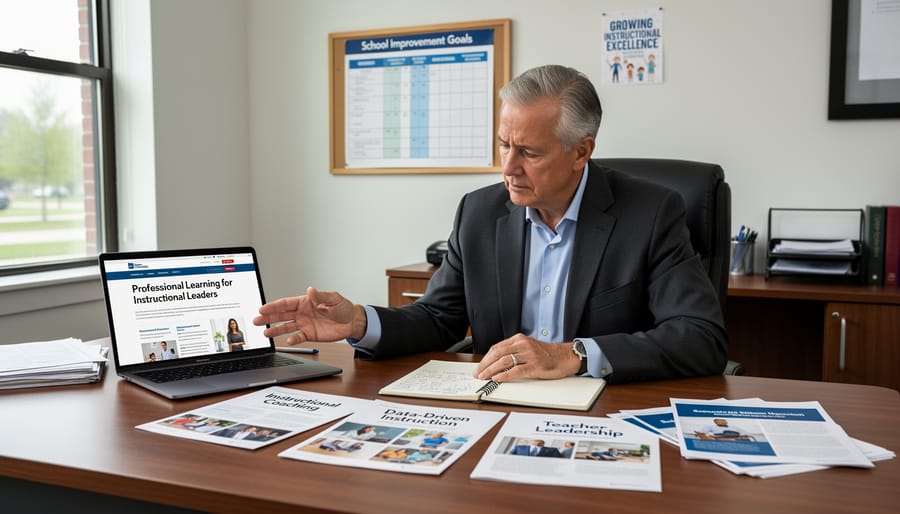
Principals rarely get time for their own professional growth. Between managing crises, attending meetings, and supporting staff, their development often falls last on the priority list. Funding or arranging a conference, workshop, or specialized course they’ve mentioned shows you value their growth as much as they value yours.
Start by listening for clues in staff meetings, informal conversations, or planning sessions. Has your principal mentioned wanting to learn more about trauma-informed leadership, budget management, or instructional coaching? Check their bookmarked articles, recent book purchases, or topics they’ve researched for school initiatives.
Approach them directly if needed: “We’d like to support your professional development. Is there a conference or training you’ve wanted to attend?” Many principals won’t ask for themselves, so the explicit invitation matters.
Secure coverage before presenting the opportunity. Coordinate with assistant principals, instructional coaches, or trusted teacher leaders to handle essential responsibilities. Create a coverage schedule that addresses emergency protocols, scheduled meetings, and daily operations so the principal can truly disconnect.
Budget constraints are real. If full conference fees aren’t feasible, consider virtual options, one-day local workshops, or professional books and online courses. Some districts have professional development funds specifically for administrators that go unused simply because no one asks. Parent organizations or educational foundations may also contribute.
The gesture communicates that their learning matters and that the school functions because of systems they’ve built, not just their constant presence.
3. ‘Principal’s Day Off’ with Administrative Coverage

Principals rarely take time off, even when they need it. A truly guilt-free day away from school requires thoughtful planning so they can disconnect knowing operations won’t suffer.
Start by assembling a coverage team from assistant principals, department heads, and experienced teacher leaders who understand daily routines. Divide responsibilities clearly: one person handles parent communications, another manages student discipline, a third oversees scheduled meetings. Document essential procedures like bus dismissal protocols, medication administration, and emergency contacts so the team has a reference.
Choose the day strategically. Avoid testing weeks, parent conferences, or major events. Mid-week dates typically work better than Mondays or Fridays since schedules are more predictable. Give the principal at least two weeks’ notice so they can adjust their calendar and brief the coverage team.
Technology streamlines handoffs. Shared digital tools like calendar access and task management platforms let the team see pending items without constant check-ins. Google Classroom and similar platforms can manage communication threads if needed.
Make it explicit that this is a complete day off, not working remotely. Ask the principal to silence school notifications. This gesture demonstrates that the staff values their wellbeing and can handle the building independently for a day.
4. Student-Led Appreciation Assembly
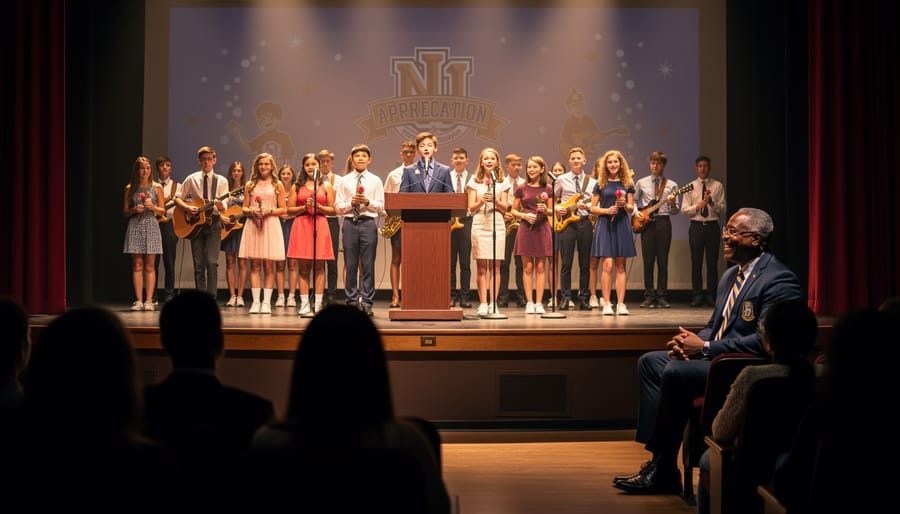
A student-led assembly works best when it highlights genuine moments where the principal made a difference. Start by asking teachers to identify a handful of students who can speak naturally about specific ways the principal helped them, whether through a hallway conversation that turned around a bad week or a new program that opened unexpected opportunities.
Build the program around three components that take 20 to 30 minutes total: student speakers sharing brief, concrete stories; a performance piece from choir, band, or drama club; and a slideshow of candid photos from the school year showing the principal in action. Keep speeches short, around 90 seconds each, and coach students to focus on one memorable detail rather than generic praise.
Schedule during a mid-morning block when energy is high and transitions are manageable. Give the principal a plausible reason to be in the gymnasium or auditorium so the surprise lands naturally. Have one trusted teacher coordinate while keeping rehearsals low-key, and build in a backup plan if the principal’s schedule shifts unexpectedly.
The assembly resonates most when students speak from their own perspective without heavy adult scripting. A fifth-grader explaining how the principal learned his name and asked about his science project carries more weight than a perfectly polished tribute written by staff. Let authenticity trump polish, and the principal will remember those unscripted moments long after the applause fades.
5. Classroom Gratitude Wall or Digital Board
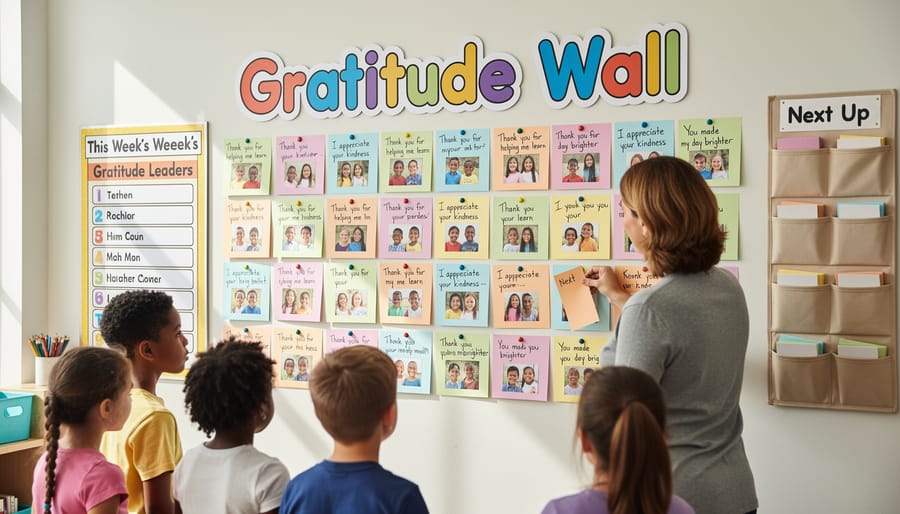
A gratitude wall gives every class a chance to contribute without overwhelming the principal with individual interactions. The rotating format keeps it fresh throughout the school year while building a visible record of appreciation.
For a physical wall, designate a hallway display area near the principal’s office. Each week or month, a different grade level or homeroom creates their contribution on poster board or construction paper. Students can write thank-you notes, draw portraits, list what they’ve learned, or share favorite principal moments. Mount each class’s work for two weeks before rotating to the next group. Keep previous contributions in a binder the principal can revisit.
Digital boards work well for remote or hybrid settings and create a permanent archive. Tools like Padlet or Google Slides let students add text, images, or short videos from their devices. Each class gets assigned dates, and you can display the board on monitors throughout the building or share the link in newsletters.
The key is making participation genuinely optional and age-appropriate. Younger students might draw pictures while older ones write reflections. Avoid making it feel like an assignment, authenticity matters more than perfection. One teacher coordinator per grade level keeps the rotation on track without burdening the whole staff.
6. Breakfast or Lunch Hosted by Staff

A staff-hosted meal flips the typical dynamic: instead of attending yet another working lunch, the principal receives genuine hospitality from colleagues who prepare and serve food. This gesture works because it’s personal, collaborative, and creates space for the principal to simply sit and be appreciated rather than orchestrate another event.
Start by forming a small planning committee of three to four staff members who will coordinate contributions, handle logistics, and manage setup. Choose a meal time that doesn’t disrupt the principal’s critical responsibilities, breakfast before school starts or lunch during their usual office hour often works better than end-of-day events when energy is depleted.
Survey the principal’s dietary preferences or restrictions discreetly through their administrative assistant, and communicate these clearly to all contributors. A potluck format distributes effort and cost, but designate categories, main dishes, sides, beverages, desserts, so you don’t end up with twelve salads and no entree. Alternatively, pool a small amount from interested staff to order catering, which eliminates food safety concerns and reduces day-of stress.
Set up in a conference room or staff lounge rather than the principal’s office, creating neutral space where they can relax. Arrange the meal during a time when someone else can handle front office coverage and urgent matters. Decorate simply with a few flowers or a small centerpiece, the focus is the gathering, not elaborate production.
The most important element: staff members should sit and eat with the principal, not just drop off food and leave.
7. Community Service Project in Their Honor

A community service project demonstrates appreciation while advancing causes the principal cares about. This approach transforms recognition into lasting impact that reflects their values and leadership priorities.
Start by identifying causes your principal actively supports through conversations with colleagues, observations of their community involvement, or direct discussion with the leadership team. Common alignments include literacy initiatives, food security programs, environmental projects, or support for specific local organizations they’ve mentioned or partnered with previously.
Match the project scale to your school’s capacity and timeline. Options include organizing a food drive for a local pantry, collecting books for underfunded schools, assembling care packages for community shelters, or coordinating a school-wide cleanup of a neighborhood park. Each classroom or grade level can contribute specific items or tasks, making participation manageable while creating collective impact.
Present the completed project with documentation showing the community benefit achieved in the principal’s name. A display board with photos, participation statistics, and thank-you notes from the receiving organization makes the impact tangible. Some schools collect teacher supplies for educators in under-resourced districts, directly connecting the principal’s support of teachers with helping colleagues elsewhere.
This recognition method works especially well when the project continues as an annual tradition, creating a legacy that extends appreciation beyond a single gesture into sustained community contribution.
8. Handwritten Letters from Every Staff Member

Handwritten letters create lasting, personal recognition that principals often treasure years later. This approach costs nothing but generates genuine emotional impact through individual voices from across your staff.
Start collection three weeks before presentation. Send a brief email explaining the purpose and providing simple prompts: what specific action or quality they appreciate, how the principal influenced their teaching or the school, or a memorable moment. Emphasize authenticity over length, two heartfelt sentences outweigh generic paragraphs.
Assign a trusted coordinator to gather letters discreetly. Provide attractive stationery or note cards for consistency, though personal choices work too. Set two reminder deadlines and offer confidential drop-off options for staff who prefer privacy. Include every employee: custodians, cafeteria workers, bus drivers, and support staff often provide the most touching perspectives.
For presentation, compile letters in a high-quality binder with tabbed sections by department or alphabetically. Some schools create a decorative box where letters arrive individually throughout appreciation week. Digital alternatives work, scan letters into a private photo album or slideshow, but physical letters carry more weight for rereading.
Consider having student council representatives deliver the collection during a staff meeting for added significance, or present it privately if your principal prefers low-key recognition.
9. Office Refresh or Comfort Upgrade
A principal’s office is often both a refuge and a command center, yet most administrators settle for standard-issue furniture and fluorescent lighting simply because workspace improvements never reach the top of the budget priority list. An office refresh shows you recognize their space as more than functional, it’s where they make critical decisions, console struggling students, and occasionally need a moment to regroup.
Start by observing what’s missing or worn. Does the desk chair sag? Is the lighting harsh overhead but dim for reading? Are papers stacked because filing systems overflow? Ask colleagues who meet with the principal regularly what they’ve noticed, or check if the principal has mentioned any workspace frustrations during casual conversation.
Effective upgrades combine comfort with function. A quality task chair supports long days reviewing documents. A small lamp with adjustable brightness reduces eye strain and creates a less institutional atmosphere. Plants improve air quality and add life to windowless offices. Organizational tools like wall-mounted file holders or desktop drawer systems clear clutter without requiring a complete overhaul.
Form a small committee to pool a modest budget, even $100 allows meaningful improvements when spent thoughtfully. Coordinate timing so installation happens while the principal attends a meeting or event, transforming the surprise into a welcome-back moment. Include a group card explaining what you upgraded and why, connecting specific items to ways they support the principal’s work.
The goal isn’t decorating their space to your taste but removing friction from theirs, making the hundreds of hours they spend in that office slightly more comfortable and efficient.
10. Recognition in District or Community Publications
Public recognition amplifies appreciation by showing the community what you already know: your principal’s work matters. Nominating them for district awards, pitching stories to local media, or spotlighting achievements through school channels creates visibility that extends beyond your building.
Start with district-level opportunities. Most school systems maintain recognition programs for administrators, check your district website or contact central office to learn submission deadlines and criteria. Nominations typically require specific examples of leadership impact: programs launched, challenges overcome, or culture shifts achieved. Gather input from multiple staff members to build a comprehensive picture rather than writing alone.
Local newspapers, community blogs, and regional education publications often welcome stories about effective school leaders. Pitch a feature by emailing editors with a concise summary of what makes your principal’s approach newsworthy, innovative programs, measurable improvements, or creative solutions to common challenges. Include your contact information and offer to provide quotes from teachers and families.
School-based channels work too. Feature the principal in newsletters, on social media, or in year-end student photo books with pages dedicated to their contributions. Highlight specific initiatives and their outcomes rather than generic praise.
The key is specificity: “implemented trauma-informed practices that reduced office referrals” carries more weight than “cares about students.” Public recognition done well validates a principal’s efforts while strengthening community trust in school leadership.
11. Staff Flash Mob or Creative Performance
A flash mob or creative performance works best when it reflects your staff’s actual talents and comfort levels. The surprise element creates memorable impact, but forcing reluctant participants into choreography they’ll resent rehearsing defeats the purpose of genuine appreciation.
Start by recruiting enthusiastic volunteers rather than pressuring everyone to participate. A core group of six to eight staff members can anchor a performance, with optional roles for others who want lower-visibility involvement like timing coordination, music management, or holding props. Choose a concept that scales to your available talent pool, whether that’s a simple song parody with revised lyrics about your principal’s catchphrases, a coordinated hand gesture routine that doesn’t require dance skills, or a brief skit highlighting memorable school moments.
Keep rehearsals minimal and respect teachers’ time. Two or three 20-minute practice sessions during lunch or planning periods usually suffice for simple performances. Record a quick video of the choreography or lyrics so participants can review independently rather than demanding extensive group rehearsals.
The reveal works best during predictable moments like opening a staff meeting, not during crisis situations or when the principal is already stressed about urgent issues. Brief is better; aim for under three minutes of actual performance. What principals remember isn’t perfection or production value but seeing their staff willing to step outside typical roles to show appreciation.
12. Legacy Project Documentation
A legacy project captures the tangible ways a principal has shaped your school through initiatives they championed, challenges they navigated, and moments that defined their leadership. This documentation becomes a lasting artifact showing what their tenure meant to students, staff, and the broader community.
Start by creating a collection timeline. Assign different grade levels or departments to gather materials from specific years or focus areas, one team handles photos from major school events, another compiles testimonials about new programs the principal launched, while others track physical changes to the building or curriculum shifts. Set deadlines three weeks before the presentation date to allow assembly time.
Choose your format based on the principal’s preferences and how they’ll actually use it. A physical scrapbook works for principals who value tactile keepsakes and display items in their office. Digital archives suit those who prefer accessible, shareable formats they can revisit on any device. Some schools create both: a bound book for ceremonial presentation plus a searchable digital version with video clips, linked documents, and expandable photo galleries.
The assembly process matters as much as the content. Organize chronologically to show evolution, or thematically around specific initiatives like technology integration, community partnerships, or student support programs. Include before-and-after comparisons where relevant, test score trends the principal improved, spaces they renovated, traditions they established. Add context with brief captions explaining what each item represents and why it mattered, so the documentation tells a coherent story rather than presenting disconnected artifacts.
Making Appreciation Authentic and Sustainable
The best principal appreciation ideas are the ones your principal will actually value, not the ones that look impressive on social media. Start by observing: Does your principal light up at public recognition or prefer quiet gestures? Do they prioritize instructional leadership, community connections, or student wellbeing? The most meaningful appreciation reflects their actual priorities and personality.
Budget constraints shouldn’t limit sincerity. A handwritten letter collection costs nothing but carries immense weight. A video tribute requires only time and coordination. If funds are limited, focus on personal investment rather than purchased items. When you do have a budget, spend it on what genuinely improves your principal’s work life, whether that’s ergonomic office furniture or coverage for a full day off.
- Match the gesture to your principal’s personality and comfort level with attention
- Consider school culture and what feels authentic to your community
- Work within realistic budget constraints without apologizing for them
- Involve students when appropriate, as their voices carry special meaning
- Plan with enough lead time to execute well without rushing
Sustainable appreciation happens throughout the year, not just during Principal Appreciation Week. Brief acknowledgments after challenging meetings, occasional public recognition of specific initiatives, and ongoing support for their wellbeing create a culture where appreciation feels natural rather than performative. One-time grand gestures can feel hollow if they’re not backed by consistent respect and support in the daily work.
Choose ideas that can become traditions rather than one-off events. A quarterly gratitude wall rotation, monthly staff-hosted breakfasts, or annual student assembly create ongoing recognition patterns that build stronger school culture over time.
Common Questions About Principal Appreciation
When is the best time to organize principal appreciation?
While National Principals Month happens in October, appreciation works better when it connects to meaningful moments in your principal’s year, the end of a challenging initiative, the start of a new school year, or simply when you notice they need encouragement. Avoid scheduling during state testing, budget season, or other high-stress periods when your principal is already stretched thin.
What if we have almost no budget for appreciation?
The most meaningful gestures rarely cost money. Handwritten letters, student artwork, a staff-created video, covering duties so the principal can observe classrooms, or organizing coverage for a genuine break all demonstrate care without requiring funds. If you want to pool resources, even small voluntary contributions from staff can support a breakfast or small gift.
Should we involve parents in principal appreciation?
Parent participation works well for ideas like video messages, gratitude walls, or assembly attendance, but keep the core planning with staff who understand the principal’s daily reality. Parents can contribute without directing the effort, ensuring appreciation reflects what educators value rather than becoming a complicated community project.
How do we show appreciation when the relationship with our principal is difficult?
Focus on professional respect and specific observable actions rather than personal warmth. You can acknowledge effective decisions, thank them for specific support they’ve provided, or recognize leadership during challenges without pretending conflicts don’t exist. Sometimes the most honest approach is a simple, dignified note thanking them for their service to students.
Consider cultural differences when planning appreciation. What feels warm and personal in one context might seem too familiar or uncomfortable in another. If your principal values privacy, a public assembly might create anxiety rather than joy. Pay attention to how they respond to recognition throughout the year and adjust accordingly.
Timing matters beyond just picking a date. Give yourself enough lead time to collect contributions without rushing people, but not so much that the effort loses momentum. Two to three weeks works for most ideas involving multiple participants.
If your school has experienced tension or turnover, appreciation can feel awkward. You don’t need to ignore real problems to recognize genuine contributions. A teacher leadership team can identify one or two straightforward gestures that acknowledge the principal’s role without overpromising harmony that doesn’t exist.
The principals who shape your school’s culture every day rarely ask for recognition, but that doesn’t mean they don’t need it. When you invest time in showing genuine appreciation, whether through a handwritten letter, a day of much-needed rest, or a student-led tribute, you send a clear message that leadership matters and people matter.
The strongest appreciation ideas in this guide share one quality: they reflect what your principal actually does and who they are as a person. A video tribute captures real moments of connection. A professional development opportunity respects their growth. A community service project honors their values. These aren’t generic gestures; they’re acknowledgments of specific impact.
Building a culture where teachers feel valued starts with recognizing the leaders who create that environment. When your school community takes time to appreciate your principal authentically, you model the same thoughtful recognition you hope to receive. The effort strengthens relationships, lifts morale, and reinforces the collaborative spirit that makes schools thrive.
Start with one idea that fits your community and your principal’s personality. Make it sincere, involve others, and focus on what truly matters: showing that their daily work to support teachers, students, and families makes a lasting difference.