



The Qualified Bilingual Staff (QBS) assessment is a state-administered exam that verifies your ability to support English learners in educational settings by demonstrating language proficiency and instructional skills in both English and a second language. Passing this assessment certifies you to work as a bilingual instructional aide or paraeducator in K-12 classrooms, opening doors to career advancement and higher pay scales in districts nationwide.
As schools face growing demand for bilingual support personnel, the QBS has become a critical credential for both job seekers entering education and current staff members looking to formalize their language skills. The assessment typically evaluates reading, writing, and oral communication in both languages, alongside your understanding of how to assist teachers in delivering instruction to students with limited English proficiency.
What makes the QBS particularly valuable is its role in skills-based hiring. Rather than relying solely on degrees or traditional certifications, the assessment objectively measures your practical ability to bridge language gaps in real classroom settings. For native speakers of languages other than English, it offers a pathway to translate cultural and linguistic assets into recognized professional credentials.
This guide walks you through everything you need to know about the QBS assessment: eligibility requirements, test format and content, preparation strategies, and how certification can accelerate your educational career in 2026 and beyond.
Understanding the QBS Assessment Framework
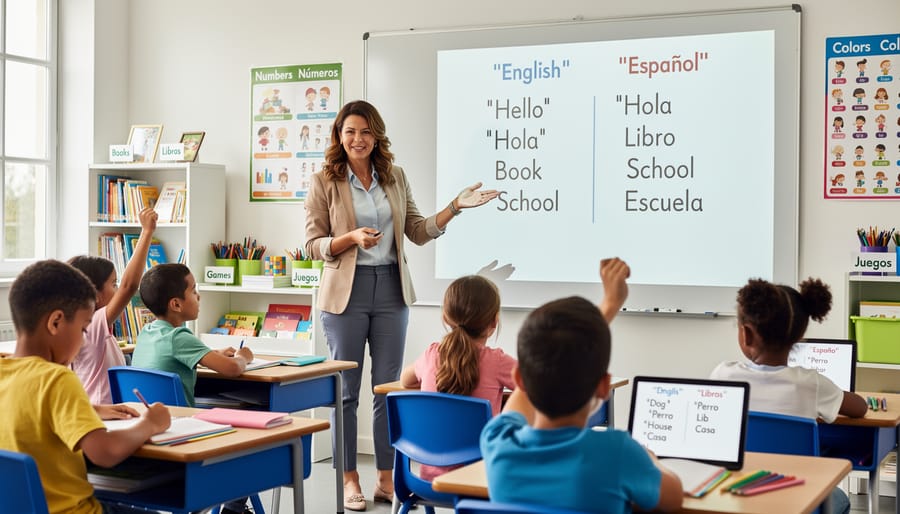
The QBS assessment is a structured language evaluation designed to measure real-world bilingual proficiency in both English and a second language, most commonly Spanish, though assessments exist for other languages depending on regional needs. Unlike academic language tests that focus on grammar rules or literary analysis, the QBS targets practical communication skills needed in educational and community support settings. Candidates demonstrate their ability to interpret conversations between parents and teachers, translate written documents like permission slips or individualized education plans, and explain complex concepts in both languages with accuracy and cultural awareness.
The assessment evaluates four core language domains: listening comprehension, speaking fluency, reading understanding, and written expression. Test-takers might listen to a recorded parent-teacher conference and answer questions, engage in a live conversation simulating a classroom scenario, read policy documents and summarize them in the target language, or compose written communications appropriate for school or healthcare contexts. This comprehensive approach ensures candidates can handle the linguistic demands of their roles across all communication modes.
For educators, paraprofessionals, and support staff who work directly with English learners or serve multilingual communities, QBS certification provides verifiable evidence of language ability within formal credentialing systems. School districts and educational agencies use these credentials to assign bilingual staff to appropriate roles, determine salary schedules, and ensure compliance with language access requirements. The assessment creates a standardized benchmark that moves beyond self-reported fluency or informal workplace evaluations, establishing clear professional qualifications that benefit both employees and the communities they serve.
How the QBS Assessment Process Works

Eligibility and Registration Requirements
Most QBS assessments are open to current education professionals and job candidates, though specific requirements depend on your state or district. You typically need to be employed by or applying to work for a school system that recognizes QBS credentials, roles such as classroom aides, instructional assistants, parent liaisons, and paraprofessionals commonly qualify.
Registration usually requires proof of employment or a job offer, along with basic documentation like identification and work authorization. Some districts require candidates to hold a high school diploma or equivalent, while others prioritize demonstrated language skills over formal education credentials. If you’re already working in a bilingual support role, your employer may sponsor your registration and cover associated costs.
Because each state and district administers QBS assessments differently, check with your local education agency or human resources department for specific eligibility criteria, registration deadlines, and fee structures. Requirements can vary significantly, so confirm the process where you plan to work rather than assuming a universal standard applies.
Scoring and Certification Levels
QBS assessments typically evaluate bilingual proficiency across several domains: speaking, listening, reading, and writing in both English and the target language. Results place candidates into broad proficiency categories that reflect their ability to communicate effectively in educational or healthcare settings. Common rating levels include basic conversational fluency, functional workplace proficiency, and advanced professional competency. The specific terminology and thresholds vary by state and assessment provider, but the underlying principle remains consistent: higher proficiency levels qualify candidates for more complex roles and greater responsibility.
Certification levels directly influence job placement and compensation. A basic rating might support entry-level classroom aide positions where staff primarily facilitate routine interactions with multilingual families. Functional or intermediate proficiency often qualifies candidates for instructional assistant roles that require translating lesson materials or supporting bilingual instruction. Advanced certification opens doors to specialized positions such as parent liaisons, community outreach coordinators, or roles involving formal interpretation during parent-teacher conferences and individualized education plan meetings. Many districts tie bilingual certification to stipends or salary adjustments, recognizing the added value these professionals bring to serving diverse student populations.
Skills-Based Hiring and the Value of Credential Translation
The QBS assessment represents a practical application of skills-based hiring a movement that values what professionals can demonstrably do over where they studied or what degrees they hold. For bilingual individuals, this shift is particularly meaningful: language proficiency acquired at home, in community settings, or through lived experience becomes a formal, marketable credential rather than an informal asset buried in a résumé.
Traditional hiring in education and healthcare often prioritized academic credentials, leaving fluent Spanish speakers or heritage language users without a clear pathway to demonstrate their abilities. The QBS assessment changes that equation by providing standardized proof of bilingual competence that employers recognize and trust. A classroom aide who grew up speaking Spanish with her family can now validate those skills through certification, opening doors to instructional assistant positions, parent liaison roles, or specialized support work with English learners.
Credential translation matters because it makes invisible skills visible. Many paraprofessionals and support staff possess native-level fluency but lack formal language degrees. QBS certification bridges that gap, allowing districts to identify and promote talent already within their workforce. A bilingual paraprofessional who earns QBS certification might advance to a classroom aide position supporting dual-language programs, or transition into a community health worker role where cultural and linguistic competence is essential.
Real-world impact shows up in career mobility. Paraprofessionals who pursue QBS credentials often report expanded job opportunities, increased responsibilities, and recognition as essential team members in multilingual school environments. Certification also supports equity: it acknowledges the professional value of linguistic and cultural knowledge that has historically been undervalued or taken for granted.
For administrators, skills-based hiring through QBS assessments means building stronger, more culturally responsive teams. Instead of limiting searches to candidates with traditional credentials, districts can identify and develop bilingual talent from within, improving service to multilingual families while creating advancement pathways for dedicated support staff.
Who Benefits from QBS Certification

QBS certification opens career doors for professionals who bridge language gaps in education and community services. Bilingual classroom aides gain formal recognition of their language skills, which can lead to expanded responsibilities and greater job security. Instructional assistants who work with English learners use QBS credentials to demonstrate they can deliver academic support in students’ home languages while helping them build English proficiency.
Special education paraprofessionals benefit significantly because they often communicate complex information about individualized education plans, accommodations, and student progress to multilingual families. The certification validates their ability to explain specialized terminology and collaborate effectively with parents who prefer conversations in their native language.
Parent liaisons and family engagement coordinators rely on QBS certification to strengthen their credibility when serving as the primary link between schools and multilingual communities. These professionals conduct parent workshops, translate school communications, and facilitate conferences where language barriers might otherwise limit family participation in their children’s education.
Community health workers in school-based clinics or public health settings use bilingual credentials to provide culturally responsive care. They explain medical procedures, mental health resources, and wellness programs to families who need services in languages other than English.
The certification matters beyond individual career advancement. When schools and healthcare facilities employ QBS-certified staff, they create more equitable access to essential services. Students receive academic support in their strongest language while building English skills. Families engage more fully in educational decisions when they can communicate clearly with school personnel. Communities gain trusted professionals who understand both linguistic nuances and cultural contexts, making services genuinely accessible rather than nominally available to multilingual populations.
Preparing for the QBS Assessment
Start by gauging your current proficiency in both languages. Speak with native speakers, read professional documents in your target language, and practice translating educational materials. Be honest about your strengths and gaps, the assessment tests real-world communication skills, not just textbook knowledge.
Focus your study time on the competencies the test measures: conversational fluency, comprehension, and professional vocabulary relevant to educational settings. Practice speaking about classroom scenarios, parent conferences, and student support topics. Read school newsletters, policy documents, and instructional materials in both languages to build familiarity with the terminology you’ll encounter.
Use free or low-cost resources to strengthen weak areas. Language exchange groups, online conversation partners, and community language classes offer practical speaking practice. Public libraries often provide access to language-learning platforms and bilingual literature. Record yourself speaking and listen back to identify areas where clarity or vocabulary could improve.
Understand the test format before you sit down to take it. Ask your district’s human resources office or credentialing body for sample questions or practice materials. Many states offer study guides or orientation sessions that walk candidates through the assessment structure. Knowing what to expect reduces test-day anxiety and helps you manage exam time effectively.
Set a realistic preparation timeline based on your current skill level. Strong bilinguals may need only a few weeks of focused review, while others benefit from several months of deliberate practice. Treat preparation as ongoing professional development rather than cramming, and review general exam prep tips to sharpen your test-taking strategies. The goal is demonstrating genuine competence, not gaming a test.
Common Questions About QBS Certification
Do I need to renew my QBS certification?
Renewal requirements vary by state and district, so check with your local education agency or employer. Some jurisdictions require periodic reassessment or continuing education to maintain credentials while others issue permanent certificates.
Will QBS certification work across different states or districts?
Reciprocity depends on local policies. Some states recognize QBS credentials from other jurisdictions, but many require candidates to complete their own assessment process or meet additional standards.
How does QBS differ from other bilingual certifications?
The QBS assessment specifically evaluates language proficiency for paraprofessional and support roles, whereas credentials like bilingual teaching certificates typically require a bachelor’s degree and demonstrate pedagogical skills alongside language competency.
Can QBS certification increase my salary?
Many districts offer salary differentials or higher pay scales for certified bilingual staff. The amount varies by employer, union agreements, and local budget priorities, but certification generally opens access to better-compensated positions.
Beyond these logistics, candidates often wonder about career trajectory. QBS certification can position you for instructional aide roles, parent liaison positions, or community outreach opportunities that wouldn’t be available without documented bilingual proficiency. It validates skills you may have developed at home or in your community, translating them into formal qualifications that hiring committees recognize and value.
The QBS assessment stands as a practical, professionally recognized credential for bilingual educators and support staff who serve multilingual communities. By validating language skills through structured evaluation rather than relying solely on academic degrees, it opens career pathways for paraprofessionals, classroom aides, and community liaisons whose linguistic abilities are essential but often go unrecognized. For school districts and healthcare organizations, QBS certification supports equitable hiring practices that prioritize demonstrated competency alongside traditional qualifications.
As communities grow more linguistically diverse, the need for credentialed bilingual professionals will only increase. Educators considering QBS certification gain not just formal recognition but also access to roles where their language skills directly improve student outcomes and family engagement. Administrators committed to skills-based hiring can use QBS as part of a broader strategy to build inclusive, multilingual teams that reflect the populations they serve.