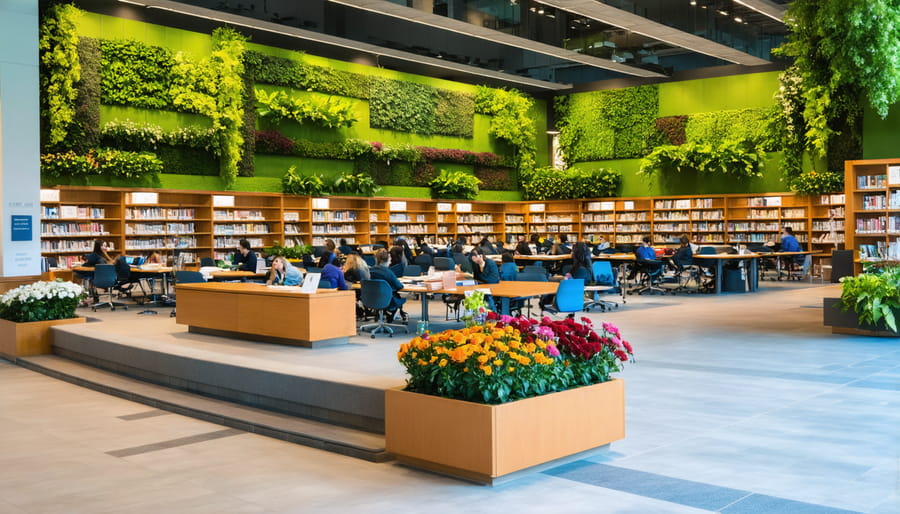



Transform university spaces into vibrant learning environments through strategic floral design, where carefully curated blooms enhance student engagement and create inspiring academic atmospheres. Modern educational institutions increasingly recognize the profound impact of biophilic design elements, with university floral programs emerging as essential components of campus aesthetics and horticultural education. From grand entrance halls showcasing seasonal arrangements to intimate study spaces adorned with living green walls, floral design in academic settings bridges the gap between theoretical learning and practical beauty. Research demonstrates that thoughtfully integrated floral elements can reduce stress levels by 30%, improve concentration, and foster a stronger sense of community among students and faculty. This intersection of artistry and academia not only beautifies campus environments but also provides hands-on learning opportunities for students pursuing careers in horticulture, design, and environmental sciences.
The Academic Benefits of Campus Floral Design
Creating Focused Learning Environments
Research consistently demonstrates that incorporating floral elements into educational spaces contributes to creating a positive learning environment. A landmark study by Texas A&M University found that students working in rooms with flowers and plants demonstrated 15% higher concentration levels and improved problem-solving abilities. These natural elements help reduce stress levels, with studies showing a 30% decrease in anxiety markers among students in flower-adorned spaces.
The presence of carefully designed floral arrangements has been linked to increased attention spans and enhanced creative thinking. Harvard researchers discovered that participants working in spaces with fresh flowers maintained focus for 20% longer than those in spaces without flowers. Additionally, the subtle fragrances of certain flowers, such as lavender and jasmine, have been proven to stimulate cognitive function and memory retention.
Educational institutions implementing strategic floral design programs report improved student engagement and reduced absenteeism. These benefits make floral design an valuable tool for creating optimal learning conditions while promoting student well-being and academic success.

Enhancing Creativity and Inspiration
Floral design in university settings serves as a powerful catalyst for creative thinking and artistic expression. Students engaged in floral arrangement activities develop enhanced spatial awareness, color theory understanding, and compositional skills that extend beyond floristry into other creative disciplines. The hands-on nature of working with flowers and botanical elements encourages experimentation and innovation, allowing students to explore unique combinations of textures, shapes, and colors.
Research indicates that exposure to natural elements in educational environments stimulates cognitive flexibility and problem-solving abilities. When students work with flowers, they must consider multiple variables simultaneously – from seasonal availability to color harmony and structural integrity – fostering critical thinking alongside artistic development. This multifaceted approach to creativity helps students develop confidence in their artistic decisions while learning to balance aesthetic preferences with practical constraints.
The iterative process of floral design, where students can adjust and refine their arrangements, provides immediate visual feedback and encourages risk-taking in a low-stakes environment. This experiential learning process helps build resilience and adaptability, valuable skills that transfer to other academic and professional pursuits.
Strategic Placement in Educational Spaces
Classroom and Library Arrangements
When arranging floral designs in academic spaces, strategic placement and thoughtful selection are essential for creating an enriching learning environment. Following proven flower decorating tips can help maintain both aesthetics and functionality in these areas.
For classrooms, position arrangements where they won’t obstruct student views or interfere with movement. Corner displays or elevated shelving units near windows provide ideal locations while maximizing natural light exposure. Choose low-maintenance plants and flowers that don’t release strong fragrances, which could distract students or trigger allergies.
In library settings, incorporate small arrangements at study tables and reading nooks to create intimate learning spaces. Consider using peace lilies, orchids, or other air-purifying plants that thrive in indoor environments with minimal maintenance. These selections can enhance air quality while adding visual appeal without overwhelming the space.
For both areas, opt for containers that complement existing décor and ensure proper drainage to protect furniture and books. Regular maintenance schedules should align with off-peak hours to minimize disruption. During exam periods, consider scaling back arrangements to maintain focus while still preserving the benefits of natural elements in the learning environment.
Remember to rotate arrangements seasonally and coordinate with facility management regarding watering schedules and plant care protocols. This ensures consistent maintenance while maximizing the educational benefits of incorporating natural elements in academic spaces.

Common Areas and Administrative Spaces
Common areas and administrative spaces in universities present unique opportunities for floral design that can enhance the overall campus atmosphere. Reception areas, conference rooms, and administrative offices benefit from carefully planned floral arrangements that reflect the institution’s professionalism while creating a welcoming environment.
For main entrance areas and lobbies, seasonal rotating displays work well to maintain fresh appeal throughout the academic year. Consider using low-maintenance plants and flowers in high-traffic areas, such as peace lilies, orchids, or preserved arrangements that require minimal upkeep while maintaining visual impact.
Administrative offices can benefit from smaller, desktop arrangements that don’t overwhelm workspace but add natural elements to the environment. Meeting rooms and conference spaces often work best with centerpieces that are substantial enough to make an impression but low enough to maintain clear sight lines across tables.
When designing for shared spaces, consider:
– Using hypoallergenic flowers to accommodate diverse populations
– Incorporating the university’s colors in seasonal displays
– Selecting arrangements that complement existing décor
– Implementing a rotation schedule for fresh flowers
– Creating modular designs that can be easily refreshed or relocated
For budget-conscious institutions, mixing artificial and fresh elements can help maintain consistent appearances while managing costs. During special events or ceremonies, these base arrangements can be supplemented with additional fresh flowers to create more dramatic displays.
Practical Implementation Tips
Budget-Friendly Options
Creating stunning floral displays doesn’t have to strain your department’s budget. When it comes to decorating on a budget, several cost-effective strategies can help maintain beautiful campus arrangements while being mindful of expenses.
Consider establishing partnerships with local flower markets or wholesalers for bulk purchasing discounts. Many vendors offer special rates for educational institutions, particularly when committing to regular orders. Seasonal flowers are typically more affordable and can be just as impactful as exotic varieties.
Growing your own flowers in campus greenhouses or gardens can significantly reduce costs while providing hands-on learning opportunities for students. This approach also ensures a sustainable supply of fresh blooms throughout the academic year.
Incorporate lasting materials like dried flowers, preserved greenery, and artificial elements to extend the life of arrangements. These can be reused across multiple displays and seasons, maximizing your investment. Consider investing in quality silk flowers for high-traffic areas where maintaining fresh arrangements isn’t practical.
Student involvement through work-study programs or class projects can help reduce labor costs while providing valuable experience. Additionally, implementing a flower recycling program where arrangements from campus events are repurposed can help stretch your floral budget further.
Maintenance and Longevity
Maintaining floral arrangements in university settings requires consistent attention to ensure their longevity and visual appeal. Start by selecting fresh flowers and preparing them properly, removing any leaves that would sit below the waterline to prevent bacterial growth. Change the water every 2-3 days, using room temperature water mixed with commercial flower food.
For optimal freshness, keep arrangements away from direct sunlight, heating vents, and air conditioning units. Trim stems at a 45-degree angle every time you change the water to improve water uptake. Remove wilted flowers promptly to prevent ethylene gas from affecting the remaining blooms.
In academic environments where arrangements may need to last through important events, consider incorporating hardier flowers like chrysanthemums, carnations, and orchids. These varieties typically maintain their appearance longer than delicate blooms like roses or tulips.
During warmer months, consider placing arrangements in refrigeration overnight when possible. This technique, common in professional floristry, can extend the life of arrangements by several days. For sustainable practices, implement a composting system for spent flowers and green waste, contributing to campus environmental initiatives.

Seasonal Considerations
The university calendar presents unique opportunities for floral designs that complement academic milestones and seasonal events. During fall semester, designs typically incorporate warm autumnal colors and hardy flowers like chrysanthemums, sunflowers, and dahlias, which withstand varying indoor temperatures as buildings transition from cooling to heating.
Winter arrangements focus on long-lasting materials and evergreen elements, perfect for graduation ceremonies and holiday events. Consider incorporating dried materials and preserved flowers during this period to maintain beautiful displays while managing budget constraints during extended breaks.
Spring semester brings renewed energy with fresh blooms like tulips, daffodils, and hyacinths. These flowers symbolize new beginnings and are particularly appropriate for recruitment events and campus tours. Consider creating designs that can be easily refreshed or modified as flowers become available throughout the season.
Special consideration should be given to major university events. Commencement ceremonies typically require larger-scale arrangements that photograph well and maintain their appearance under bright lights. Alumni weekends and homecoming celebrations often benefit from designs incorporating school colors and traditional flowers associated with the institution.
For summer sessions, heat-tolerant varieties like zinnias, lilies, and tropical flowers work best. While campus population may decrease, maintaining strategic floral displays in key areas helps create a welcoming environment for summer programs and campus visitors.
Floral design in university settings offers a unique blend of artistic expression, practical skill development, and environmental enhancement. As we’ve explored, incorporating floral elements into campus spaces not only beautifies the environment but also creates opportunities for hands-on learning and career preparation. Whether through formal coursework, campus beautification projects, or special events, floral design enriches the academic experience in meaningful ways. We encourage educational institutions to consider implementing or expanding their floral design programs, as the benefits extend far beyond aesthetics. By investing in floral design education and campus decoration, universities can foster creativity, build practical skills, and create more inviting spaces for learning and community engagement. Start small, perhaps with a single course or garden area, and watch as the positive impacts bloom throughout your campus community.