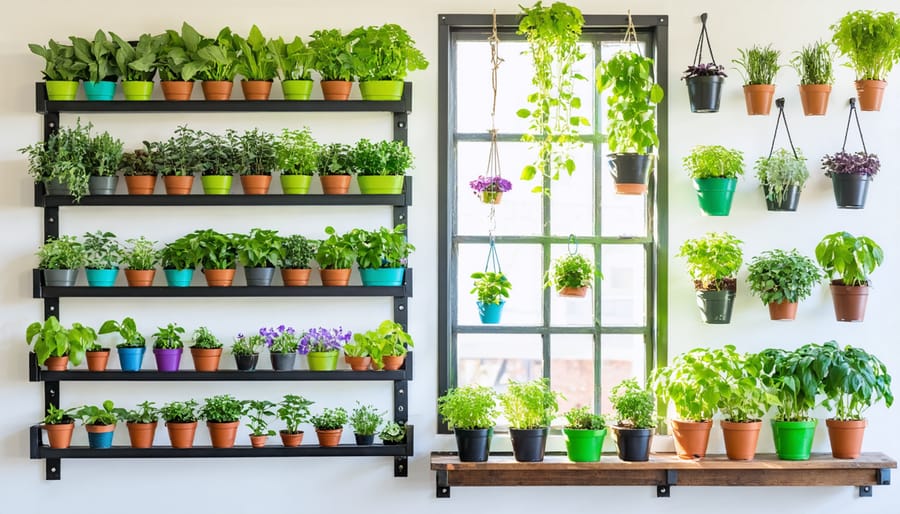



Transform any classroom into a positive learning environment by introducing hands-on gardening experiences that seamlessly blend science, sustainability, and experiential learning. Indoor classroom gardens cultivate not just plants, but critical thinking skills, environmental awareness, and a deep connection to natural cycles.
Start with simple windowsill herb gardens using recycled containers, allowing students to witness seed germination while learning responsibility through daily care routines. Integrate STEM concepts naturally as students measure growth rates, document changes, and analyze optimal growing conditions. Connect garden activities directly to curriculum standards across multiple subjects – from calculating growth percentages in mathematics to exploring photosynthesis in science.
Recent studies show that students engaged in classroom gardening programs demonstrate up to 15% improvement in science test scores and significantly enhanced problem-solving abilities. Beyond academic benefits, classroom gardens create opportunities for collaborative learning, develop fine motor skills, and foster environmental stewardship – essential skills for 21st-century learners.
Nurture both plants and young minds by establishing a classroom garden that serves as a living laboratory, where every seed planted grows into a valuable learning opportunity.
Creating Your Classroom Garden Space
Space-Smart Garden Solutions
Limited classroom space doesn’t mean you have to forgo the benefits of decorating with classroom plants and maintaining a garden. Vertical gardening solutions offer excellent alternatives for space-challenged environments. Consider installing wall-mounted planters or creating a “living wall” using pocket planters, which can transform unused vertical space into thriving garden areas.
Window sills present natural opportunities for growing herbs and small plants. Place narrow containers along these spaces to maximize natural light while keeping floor space clear. Hanging baskets suspended from sturdy ceiling hooks can house trailing plants, adding greenery without occupying valuable surface area.
Mobile garden carts provide flexibility, allowing you to move your garden based on lighting needs or classroom activities. These portable solutions work particularly well for schools with shared spaces. For desk-based gardening, compact microgreens systems or small hydroponics units can fit neatly on individual student workstations.
Repurposed materials like plastic bottles, milk jugs, or shoe organizers can create innovative growing spaces. These upcycled containers not only save space but also teach students about sustainability. Consider using stackable planters or tiered growing systems to maximize vertical space while creating visually interesting displays that engage students in learning about plant growth and care.
Remember to choose appropriate plant varieties that thrive in indoor conditions and maintain manageable sizes for your space constraints.

Essential Materials and Tools
To create a successful classroom garden, you’ll need to gather specific materials that support both plant growth and student learning. Start with basic growing containers such as recycled plastic containers, traditional pots, or raised bed kits designed for educational settings. These should have adequate drainage holes and be appropriate for your classroom space.
Essential growing materials include high-quality potting soil, organic fertilizer, and a variety of seeds suitable for indoor growing. Choose fast-growing plants like lettuce, herbs, or beans to maintain student interest. You’ll also need basic gardening tools sized for students: small trowels, watering cans, plant markers, and child-safe pruning scissors.
For monitoring and learning activities, include measuring tools like rulers and magnifying glasses. A simple moisture meter helps students learn about proper watering, while basic pH testing strips introduce scientific concepts. Keep a supply of garden journals or observation sheets for recording plant growth and changes.
Don’t forget practical items such as plastic trays to catch water, plant support stakes, and garden gloves in children’s sizes. If using grow lights, choose LED options that are energy-efficient and safe for classroom use. A spray bottle for gentle watering and cleaning supplies for maintaining the garden area complete your essential toolkit.
Remember to store all materials in a designated area where students can access them safely and independently during gardening activities.
Hands-On Learning Activities
Science Through Seeds
Seeds provide an exceptional laboratory for hands-on science learning, offering students direct observation of plant life cycles and biological processes. Start by having students examine different types of seeds using magnifying glasses, noting variations in size, shape, and texture. Create prediction charts where students can document their hypotheses about which seeds will sprout first or grow tallest.
Set up simple experiments comparing growth conditions: one set of seedlings in sunlight versus shade, different watering schedules, or various soil types. Students can measure and graph plant growth daily, practicing their mathematical skills while learning about scientific observation. For younger students, transparent containers allow them to watch root development, while older students can study the effects of variables like fertilizer or pH levels.
Document the entire growth process through drawings, photographs, or time-lapse videos. This visual record helps students understand the sequential stages of plant development, from germination to mature plant. Incorporate weather tracking to demonstrate how environmental conditions affect plant growth.
Extend the learning by exploring seed dispersal methods through hands-on activities. Students can design and test their own seed dispersal mechanisms, connecting engineering concepts with natural adaptation. These experiments provide tangible examples of scientific methodology while fostering curiosity about the natural world.
Math in the Garden
A garden provides endless opportunities for mathematical learning through hands-on experiences. Students can practice measurement skills by tracking plant growth using rulers and measuring tapes, recording changes in centimeters and inches. Seed spacing and plot layout introduce practical applications of geometry and spatial awareness, while calculating garden bed areas helps reinforce multiplication and division concepts.
Data collection becomes engaging as students monitor and graph plant growth rates, rainfall amounts, and temperature changes. They can create simple bar graphs showing the number of seeds planted versus those that sprouted, or line graphs tracking plant heights over time. These activities naturally incorporate percentages and fractions when discussing germination rates and harvest yields.
Younger students can practice counting skills by sorting seeds, counting leaves, or tallying different types of plants. More advanced mathematical concepts emerge when planning garden spaces, such as calculating soil volume needed for raised beds or determining the proper ratio of compost to soil.
Resource management activities, like measuring proper water amounts or calculating fertilizer ratios, provide real-world problem-solving opportunities. Students can also practice budgeting by planning seed purchases and tracking garden expenses, connecting mathematics to financial literacy.
These garden-based math activities offer concrete, memorable ways for students to understand abstract mathematical concepts while developing essential numeracy skills.

Writing and Art Projects
Garden-themed creative classroom projects offer excellent opportunities for integrating art and literacy with hands-on learning experiences. Students can maintain garden journals to document plant growth, weather conditions, and daily observations through both written entries and detailed sketches. These journals help develop scientific observation skills while strengthening writing abilities.
Consider implementing poetry workshops where students compose nature-inspired verses about their garden experiences. Haiku poetry works particularly well, as it traditionally focuses on seasonal changes and natural elements. Students can also create illustrated plant identification cards, combining botanical drawing with research and writing practice.
Art projects can include pressing flowers and leaves to create botanical collages, designing garden markers with weather-resistant materials, and crafting detailed drawings of the plant life cycle. Younger students might enjoy creating garden-themed storybooks, while older students can develop informative brochures about sustainable gardening practices or design persuasive posters promoting environmental awareness.
Photography projects allow students to document garden progress throughout the season, creating visual timelines of plant growth. These photos can be incorporated into digital presentations or physical displays, accompanied by written descriptions and scientific explanations of the growing process.
Seasonal Growing Guide
Best Plants for Classroom Success
Selecting the right plants for your classroom garden is crucial for ensuring success and maintaining student engagement. Start with fast growing seeds like radishes, lettuce, and beans, which can show visible progress within days, helping maintain student interest and enthusiasm.
Spider plants and pothos are excellent choices for indoor classroom environments, as they thrive in various light conditions and are highly forgiving of irregular watering schedules. These plants also effectively purify air quality, creating a healthier learning environment.
Herbs like mint, basil, and chives are perfect for sensory learning experiences. They grow well indoors, require minimal maintenance, and offer opportunities for hands-on science lessons about plant life cycles and nutrition.
For window-facing areas, consider growing cherry tomatoes or microgreens. These plants not only demonstrate clear growth stages but also provide educational opportunities about food production and healthy eating habits.
Succulents and cacti make excellent additions to classroom gardens in areas with abundant natural light. Their low maintenance requirements and unique adaptations make them perfect teaching tools for lessons about plant adaptation and desert ecosystems.
Remember to choose non-toxic varieties and avoid plants known to trigger common allergies. This ensures a safe learning environment while maximizing educational opportunities.

Year-Round Activity Calendar
A well-organized classroom garden thrives with seasonal planning. Start your garden year in fall with seed collection, indoor plant propagation, and composting activities. Students can study leaf changes and plant dormancy while preparing indoor growing spaces for winter.
Winter months focus on indoor gardening projects like microgreens, sprouts, and hydroponic experiments. Use this time for garden planning, studying seed catalogs, and designing spring layouts. Students can maintain classroom houseplants and conduct plant-science experiments.
Spring brings excitement with seed starting, transplanting, and outdoor bed preparation. Engage students in soil testing, weather monitoring, and plant growth tracking. March through May is ideal for establishing outdoor gardens and teaching about pollinators and beneficial insects.
Summer activities, even during school breaks, can include heat-tolerant plants, water conservation lessons, and garden maintenance. Set up summer care schedules with volunteer families or integrate garden care into summer programs.
Monthly maintenance tasks include:
– Watering schedules
– Pest monitoring
– Growth measurements
– Weather data collection
– Composting management
– Harvest tracking
Create a visual calendar highlighting these activities, marking important planting dates, and noting seasonal observations. This helps students understand natural cycles while maintaining consistent garden care throughout the academic year.
Connecting Gardens to Curriculum
Garden-based learning naturally aligns with multiple subject areas, making it an effective tool for meeting educational standards. In mathematics, students can measure plant growth, calculate garden plot areas, and analyze harvest data. They learn practical applications of measurement, data collection, and basic statistics while tending to their gardens.
Science curriculum connections are abundant, from studying plant life cycles and ecosystems to understanding weather patterns and soil composition. Students can conduct experiments on plant growth under different conditions, observe pollination in action, and learn about photosynthesis through hands-on experience.
Language arts integration happens naturally through garden journaling, creating plant labels, and writing procedural texts for planting instructions. Students can practice descriptive writing by observing and documenting plant changes, or create stories inspired by their garden experiences.
Social studies connections emerge through exploring cultural farming practices, studying local agricultural history, and learning about global food systems. Gardens also provide opportunities to discuss environmental stewardship and sustainability.
For art classes, gardens offer inspiration for observational drawing, nature photography, and creating garden-themed crafts. Music teachers can incorporate songs about growth and nature, while physical education classes can focus on the physical aspects of gardening.
To maximize curriculum integration, maintain a garden activity log that maps each garden task to specific learning standards. This documentation helps demonstrate educational value to administrators and parents while ensuring activities remain aligned with curriculum requirements. Consider creating cross-disciplinary projects that incorporate multiple subjects, allowing students to see how different areas of learning connect in real-world applications.
Classroom gardening stands as a powerful educational tool that transforms the learning experience while nurturing essential life skills. Through hands-on gardening activities, students develop a deeper understanding of science, environmental stewardship, and healthy eating habits. The documented benefits include improved academic performance, increased environmental awareness, and enhanced social-emotional development.
Research shows that students involved in classroom gardening programs demonstrate better problem-solving abilities and show greater engagement in their overall learning. These green spaces serve as living laboratories where theory meets practice, creating memorable learning experiences that extend far beyond traditional classroom walls.
As we’ve explored throughout this guide, implementing a classroom garden doesn’t require extensive space or resources. Whether you start with a simple windowsill herb garden or develop a larger outdoor plot, the educational opportunities are boundless. By incorporating gardening into your curriculum, you’re not just teaching about plant life cycles or nutrition – you’re cultivating curiosity, responsibility, and a lifelong connection to nature.
Take the first step today in creating your classroom garden. The seeds you plant will grow into something far more valuable than just plants – they’ll bloom into lasting educational impacts that benefit your students for years to come.