



Singapore consistently ranks among the world’s top education systems, with international schools offering tax-free salaries ranging from $3,500 to $8,000 USD monthly plus benefits like housing allowances and annual flights home. The city-state hosts over 40 international schools serving 50,000 students from more than 100 nationalities, creating exceptional opportunities for qualified English teachers.
The demand for skilled educators remains strong, driven by Singapore’s position as a regional business hub attracting expatriate families. Teachers here work with diverse, academically motivated students in well-resourced environments that prioritize innovation and excellence. International schools follow curricula including IB, British, American, and Australian programs, allowing educators to specialize in familiar frameworks while experiencing Asian educational approaches.
However, competition for positions is intense. Schools typically require a bachelor’s degree in education or a relevant subject, recognized teaching certification, and minimum two years of classroom experience. Many top-tier institutions prefer candidates with advanced degrees and specialized skills in areas like STEM integration or special education support.
The reality extends beyond attractive compensation. Singapore’s efficient infrastructure, safety, and multicultural environment create exceptional quality of life, though the high cost of living and humid tropical climate require adjustment. Teachers report professional growth through collaboration with international colleagues and exposure to cutting-edge pedagogical practices.
Understanding the hiring timeline, visa requirements, school hierarchies, and cultural expectations proves essential for success. This comprehensive guide examines qualifications needed, realistic salary expectations, effective job search strategies, daily teaching realities, and lifestyle considerations to help educators make informed decisions about teaching English in this dynamic Southeast Asian hub.

Singapore’s International Education Landscape: What Makes It Unique
The Rise of International Schools
Singapore’s education sector has witnessed remarkable expansion in its international school landscape over the past decade. Between 2013 and 2023, the number of international schools grew from approximately 35 to over 70 institutions, reflecting the city-state’s position as a regional education hub.
Enrollment figures tell a compelling story of this growth. Current data shows more than 90,000 students attend international schools across Singapore, representing over 100 nationalities. This diverse student body has driven schools to offer varied curricula that cater to different educational philosophies and preparation pathways.
The International Baccalaureate (IB) programme leads as the most popular choice, with around 40 schools offering IB Primary Years, Middle Years, or Diploma programmes. British curriculum schools, following the Cambridge International system, comprise the second-largest group with approximately 20 institutions. American and Australian curricula each account for roughly 8-10 schools, providing families with familiar educational frameworks from their home countries.
This diversity creates abundant opportunities for English teachers with specialized training. For example, teachers qualified in IB methodology find themselves particularly sought after, while those experienced with British A-levels or American Advanced Placement courses also command competitive positions. The variety of curricula means educators can often find schools that align with their specific teaching background and pedagogical approach, making Singapore an attractive destination for international teaching professionals seeking career growth in a multicultural environment.
Why Families Choose Singapore for International Education
Singapore’s international schools attract families from around the world due to their exceptional quality standards and globally recognized curricula. According to recent education reports, over 70 international schools serve approximately 50,000 students in Singapore, with many institutions holding accreditations from prestigious bodies like the Council of International Schools and the Western Association of Schools and Colleges.
Expatriate families particularly value the seamless educational transitions these schools provide. When a family relocates from London to Singapore, for example, their children can continue following the British curriculum without disruption, maintaining academic continuity while experiencing a new culture.
Affluent local families increasingly choose international schools for their children to gain competitive advantages in the global marketplace. The emphasis on English proficiency combined with Singapore’s multilingual environment creates unique opportunities. Students often become fluent in English while maintaining their mother tongue, developing the linguistic flexibility that universities and employers worldwide seek.
The robust infrastructure supporting these institutions also matters significantly. International schools in Singapore typically feature state-of-the-art facilities, low student-teacher ratios averaging 10:1, and comprehensive extracurricular programs. Parents appreciate the holistic education approach that balances academic rigor with character development, preparing students for success in an interconnected world while maintaining the safety and stability Singapore is renowned for.
Qualifications and Requirements for Teaching English in Singapore’s International Schools
Essential Credentials and Certifications
To teach English in Singapore’s competitive international school market, you’ll need to meet specific credential requirements that vary by institution type and grade level. At minimum, most positions require a Bachelor’s degree in Education, English, or a related field. However, according to Ministry of Education data, approximately 85% of international schools prefer candidates with teaching licenses from recognized education systems such as the United States, United Kingdom, Canada, or Australia.
For those without traditional teaching degrees, a TEFL (Teaching English as a Foreign Language) or TESOL (Teaching English to Speakers of Other Languages) certification can strengthen your application, particularly for language center positions or English as an Additional Language roles. The most competitive candidates hold 120-hour TEFL certifications combined with classroom experience.
International schools typically have grade-specific requirements. Elementary English teachers need demonstrated expertise in literacy development and phonics instruction, while secondary teachers should possess subject specialization in literature, composition, or linguistics. Many institutions prefer candidates with International Baccalaureate or Cambridge curriculum experience.
A Master’s degree in Education, Applied Linguistics, or TESOL provides significant advantages, often translating to higher salary bands and leadership opportunities. For example, teachers at Singapore American School report that advanced degrees can increase starting salaries by 15-20%.
Work authorization represents another critical consideration. While schools typically sponsor employment passes for qualified candidates, having previous international teaching experience expedites the visa process. First-time international teachers should expect additional documentation requirements and processing time of 4-6 weeks.
Experience Expectations Across School Tiers
Experience requirements in Singapore’s international schools vary significantly across different tiers, directly impacting your job search strategy and salary expectations.
Top-tier schools like United World College and Tanglin Trust School typically require 5-10 years of teaching experience, with preference given to candidates who have taught in multiple countries or held leadership positions. A recent posting for an English Head of Department at a premium institution specified “minimum 8 years secondary English teaching experience with demonstrated curriculum leadership in IB or IGCSE programmes.”
Mid-tier international schools generally accept 2-5 years of experience, making them accessible entry points for teachers with solid classroom backgrounds. For example, a Canadian international school recently advertised for English teachers with “3+ years experience teaching middle school English Language Arts, preferably with North American curriculum knowledge.”
Newer or smaller international schools may consider newly qualified teachers or those with 1-2 years experience, particularly if candidates hold specialized qualifications like CELTA or demonstrate strong subject expertise. One emerging institution posted requirements stating “minimum 2 years teaching experience, recent graduates with exceptional credentials encouraged to apply.”
Understanding these distinctions helps you target schools matching your experience level while setting realistic expectations for compensation and professional development opportunities.
Work Pass and Legal Requirements
Foreign teachers require an Employment Pass to work legally in Singapore, with Ministry of Education regulations setting specific standards. The Employment Pass, issued by Singapore’s Ministry of Manpower, requires applicants to have a university degree and earn a minimum monthly salary of S$5,000 (approximately US$3,700). International schools typically sponsor qualified teachers, handling much of the application process.
Most schools prefer candidates with recognized teaching qualifications such as a Bachelor of Education, PGCE, or equivalent, plus at least two years of classroom experience. For example, many British curriculum schools specifically seek UK-qualified teachers with QTS status. American schools often require state teaching certification.
The application process typically takes 3-8 weeks once you’ve secured a job offer. Schools submit applications on behalf of teachers, providing employment contracts and supporting documentation. According to Ministry of Manpower data, approval rates for education sector Employment Passes exceed 85% for candidates meeting standard requirements.
Teachers should note that Employment Passes are tied to specific employers, meaning changing schools requires a new application. Dependant Passes for spouses and children can be applied for simultaneously, allowing families to relocate together.
The English Teacher’s Role in International Schools
Teaching English as a First Language vs. EAL/ESL
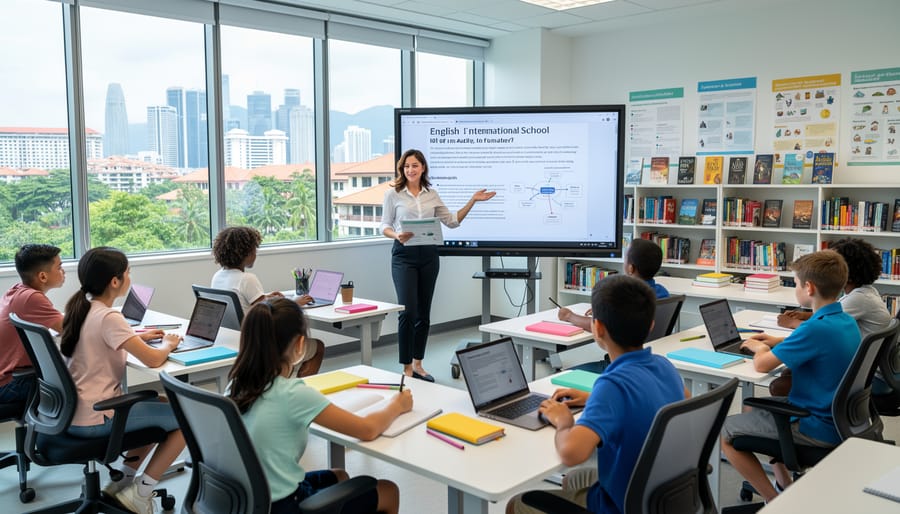
Singapore’s international schools hire English teachers for two distinct but complementary roles. Mainstream English Language Arts positions focus on teaching literature, composition, and language skills to students who already have strong English proficiency. These teachers typically follow curriculum frameworks like the International Baccalaureate or British IGCSE, guiding students through classic and contemporary literature, creative writing, critical analysis, and public speaking. Daily responsibilities include designing thematic units, facilitating Socratic seminars, assessing essays and presentations, and preparing students for external examinations.
In contrast, English as an Additional Language specialists support students developing English proficiency alongside their academic studies. EAL teachers conduct small-group or one-on-one sessions focused on vocabulary acquisition, grammar structures, pronunciation, and academic language skills. They often collaborate with mainstream teachers to modify content materials, provide scaffolded support during lessons, and design intensive English programs for newcomers with limited English backgrounds.
According to recent data, approximately 30-40% of students in Singapore’s international schools receive some form of EAL support, reflecting the city-state’s diverse expatriate community. Both roles require qualified teachers, though EAL positions increasingly prefer candidates with specialized TESOL certifications alongside their teaching credentials. Some schools employ teachers who split responsibilities between both areas, particularly in smaller institutions where flexibility proves essential for meeting varied student needs effectively.
Working with Diverse Student Populations
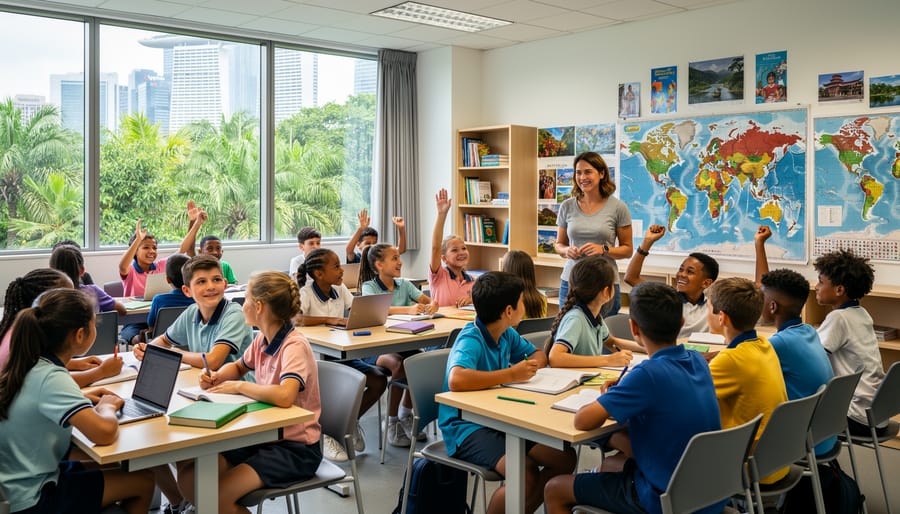
Singapore’s international schools bring together students from more than 40 nationalities, creating uniquely diverse learning environments that require thoughtful instructional approaches. In a typical classroom, you might teach students from India, China, Korea, Australia, the United States, and various European countries simultaneously, each bringing distinct educational backgrounds and language proficiency levels.
Successful differentiation begins with recognizing that English language learners often possess strong academic skills in their first language but need scaffolding to demonstrate knowledge in English. For instance, a Year 7 mathematics class might include a student from Japan with advanced computational skills but limited English vocabulary for explaining problem-solving processes. Teachers address this by incorporating visual aids, collaborative learning structures, and allowing multiple modes of expression.
Cultural considerations extend beyond language. Students from examination-focused education systems may initially struggle with inquiry-based learning approaches common in international schools, while others accustomed to student-centered classrooms may need guidance on structured academic writing. One effective strategy involves establishing clear routines while building flexibility for different learning preferences.
Data from Singapore international schools shows that classrooms with intentional differentiation strategies achieve 23% higher student engagement rates. Practical approaches include flexible grouping based on task requirements rather than ability alone, tiered assignments that address the same learning objectives at varying complexity levels, and culturally responsive text selections that reflect student backgrounds.
Building relationships with families from diverse cultural backgrounds proves essential. Understanding communication preferences, educational expectations, and cultural holidays helps create inclusive classroom communities where every student feels valued and supported in their learning journey.
Compensation, Benefits, and Living Standards
Salary Expectations and Package Components
Teaching salaries in Singapore rank among Asia’s most competitive, though compensation varies significantly based on experience and school type. Entry-level teachers typically earn between SGD 3,500-5,500 monthly (approximately USD 2,600-4,100), while experienced educators with 5-10 years can command SGD 6,000-9,000. Senior teachers and those with specialized qualifications may exceed SGD 10,000 monthly at premium international schools.
Beyond base salary, comprehensive benefit packages substantially enhance total compensation. Most international schools provide housing allowances ranging from SGD 1,500-3,000 monthly, though some tier-one institutions offer furnished accommodation or housing stipends up to SGD 4,500. Annual return flights to your home country are standard, typically covering teachers and dependents.
Additional perks often include tuition reimbursement for teachers’ children, with top schools offering 50-100 percent coverage. Professional development allowances of SGD 1,000-3,000 annually support continued education and conference attendance. Health insurance coverage is mandatory, with quality schools providing comprehensive medical and dental plans for teachers and families.
Real-life example: Sarah, a middle school English teacher with seven years’ experience, secured a position offering SGD 7,200 monthly salary, SGD 2,800 housing allowance, full tuition for two children valued at SGD 60,000 annually, plus flights and health coverage. Her total package exceeded SGD 150,000 yearly.
Contract lengths typically span two years, with end-of-contract gratuities equivalent to one month’s salary common at established institutions. Understanding these package components helps educators accurately evaluate opportunities beyond base salary figures.
Cost of Living and Financial Reality
Singapore consistently ranks among the world’s most expensive cities, and teachers should prepare accordingly when relocating internationally. According to 2024 data, a single teacher can expect monthly expenses ranging from SGD 2,500 to 4,000 depending on lifestyle choices.
Housing represents the largest expense, with a room in a shared apartment costing SGD 800-1,200, while a one-bedroom unit in a decent area runs SGD 2,000-3,000 monthly. Groceries typically cost SGD 300-500 per month, though eating at local hawker centers can reduce food expenses significantly compared to Western restaurants. Transportation via the efficient MRT system averages SGD 100-150 monthly.
International school teachers earning SGD 4,500-8,000 monthly can realistically save SGD 1,000-3,000 after expenses, particularly when accommodation is provided as part of their package. Language center instructors earning SGD 3,000-4,500 may find savings more challenging without careful budgeting.
The good news: Singapore’s tax rates are relatively low (0-11.5% for most teachers), healthcare is affordable and high-quality, and the city offers free or low-cost entertainment options. Many teachers report successfully saving 20-40% of their salary while enjoying excellent quality of life, making financial planning essential but achievable.
Finding and Securing Teaching Positions
Recruitment Cycles and Best Times to Apply
International schools in Singapore follow two primary recruitment cycles that align with the academic calendar. The main hiring season runs from October through February, when schools advertise positions for the following August start date. According to recruitment data, approximately 70% of teaching positions become available during this window, making it the optimal time for applications.
A secondary recruitment cycle occurs in April and May, addressing last-minute vacancies or unexpected departures. While fewer positions are available, schools sometimes need to fill roles quickly, which can benefit candidates already in Singapore or those with immediate availability.
Many Singapore international schools participate in recruitment fairs like Search Associates and the International School Services (ISS) between January and March. For example, Stamford American International School and the Canadian International School regularly attend these events to meet prospective teachers.
To maximize opportunities, submit applications between November and January. Schools typically conduct video interviews in January and February, with contract offers finalized by March. Planning your job search around these timelines significantly increases your chances of securing a position before the August school year begins.
Effective Job Search Strategies
Finding teaching positions in Singapore requires a strategic, multi-channel approach. Leading job platforms like EduJobs Singapore and Teachers-Singapore.com specialize in education placements and regularly feature international school vacancies. LinkedIn has become increasingly valuable, with many schools posting openings and enabling direct connections with hiring managers.
Working with specialized recruitment agencies can significantly streamline your search. Agencies like Teach Away and Search Associates focus specifically on international school placements and maintain established relationships with Singapore institutions. These agencies often have access to positions before they’re publicly advertised and can provide valuable insights into school culture and expectations.
Networking remains one of the most effective strategies. Attend international education job fairs, particularly the Overseas Recruiting Fair in February and the Search Associates recruitment season. Join online forums and Facebook groups dedicated to international teachers in Singapore, where educators frequently share job leads and insider perspectives.
Direct applications to schools can be highly effective for well-qualified candidates. Research schools thoroughly through the Council of International Schools directory, prepare tailored applications highlighting your qualifications, and apply during peak hiring periods from November to March. According to recent data, approximately 40 percent of successful placements result from direct applications, making this approach worthwhile despite requiring more effort.
Acing the Interview Process
Singapore international schools typically conduct thorough interview processes spanning multiple rounds. Expect a panel interview with administrators and department heads, where they’ll assess your teaching philosophy and cultural adaptability. Most schools require a demonstration lesson—prepare a 20-30 minute interactive session showcasing differentiated instruction and classroom management skills. Common questions focus on experience with diverse learners, curriculum adaptation, and why Singapore specifically appeals to you. According to recent hiring data, schools emphasize candidates who demonstrate flexibility and understanding of Asian educational values. One teacher from an IB school notes that showcasing specific examples of student-centered learning and technology integration significantly strengthened her application. Research your target school’s curriculum thoroughly and prepare questions about professional development opportunities to demonstrate genuine interest.
Professional Development and Career Growth Opportunities
Access to World-Class Training
Singapore’s international schools invest significantly in teacher development, offering access to professional learning opportunities that rival top educational institutions worldwide. Many schools provide fully-funded International Baccalaureate training, enabling teachers to become certified IB educators across Primary Years, Middle Years, and Diploma Programme levels. These workshops, typically held regionally or in Singapore itself, equip teachers with specialized pedagogical approaches valued throughout international education.
Regular curriculum workshops led by visiting consultants or experienced practitioners help teachers stay current with evolving educational practices. For example, teachers frequently attend sessions on differentiated instruction, inquiry-based learning, and digital literacy integration. Schools often organize on-site professional learning communities where educators collaborate on curriculum design and assessment strategies.
Conference participation represents another significant benefit. Many institutions support teachers attending regional events such as the East Asia Regional Council of Schools conference or subject-specific gatherings across Asia. According to recent surveys, approximately 75% of international schools in Singapore allocate annual professional development budgets per teacher, typically ranging from SGD 2,000 to SGD 5,000.
This commitment to ongoing training not only enhances teaching effectiveness but also strengthens teachers’ credentials for future career advancement within the international education sector, making Singapore an excellent environment for professional growth.
Career Progression Paths
English teachers in Singapore’s international schools enjoy diverse career advancement opportunities beyond the classroom. After establishing themselves as effective educators, many teachers progress to positions such as Head of Department for English or Literacy Coordinator, overseeing curriculum development and mentoring colleagues. Those with 5-8 years of experience often advance to roles like Middle School Coordinator or Academic Dean, which involve greater administrative responsibilities while maintaining instructional focus. Senior leadership positions, including Vice Principal or Principal, typically become accessible to teachers who demonstrate strong leadership capabilities and pursue relevant qualifications. International schools particularly value teachers who can bridge cultural contexts and implement progressive pedagogies. For example, teachers at United World College or Tanglin Trust School frequently transition into curriculum specialist roles, developing school-wide literacy initiatives. Many educators also leverage Singapore’s position as a regional education hub to consult for other schools across Asia or pursue roles with examination boards and educational publishers.
Challenges and Considerations Before Making the Move
Common Adjustment Challenges
Teaching English in Singapore offers tremendous rewards, but newcomers should prepare for several adjustment challenges. The workload can be intense, particularly in international schools where teachers typically manage 20-25 contact hours weekly plus extensive marking, parent communications, and co-curricular activities. Many educators report working 50-60 hours during peak assessment periods.
Cultural adjustment represents another significant factor. Singapore’s hierarchical communication style differs markedly from Western directness, and teachers must navigate these nuances when collaborating with local colleagues and parents. According to recent surveys, approximately 40% of expatriate teachers cite cross-cultural communication as their primary first-year challenge.
The high-pressure academic environment can surprise those from less exam-focused systems. Students often balance demanding school schedules with additional tuition classes, creating expectations for accelerated pacing and rigorous assessment. Parents typically maintain high involvement levels and hold elevated expectations for student achievement and teacher accessibility.
Distance from home affects many teachers, particularly during major holidays when flights become expensive and school breaks don’t always align with Western calendars. The 12-hour time difference with Europe and significant gaps with North American time zones can complicate maintaining connections with family and friends, though Singapore’s excellent connectivity helps bridge this challenge.
Who Thrives and Who Struggles
Teachers who thrive in Singapore typically embrace structured environments and high academic standards. Those comfortable with rigorous assessment expectations and detailed curriculum frameworks find satisfaction here. Educators who value cultural diversity excel, as they’ll work with students from 70+ nationalities in many international schools. Data shows retention rates above 80% among teachers who arrive with realistic expectations about Singapore’s fast-paced lifestyle and humid climate.
Conversely, teachers seeking creative autonomy may feel constrained by examination-focused systems, particularly in schools following rigorous curricula. The high cost of living can frustrate single teachers without housing allowances—monthly expenses often reach S$3,500-4,000. Those uncomfortable with hierarchical workplace cultures or expecting frequent beach escapes may struggle, as Singapore’s urban setting differs markedly from Southeast Asian neighbors. Teachers accustomed to spacious living will need to adjust to compact apartments, typically 500-700 square feet for one-bedroom units.
Teaching English in Singapore’s international schools represents an exceptional opportunity for qualified educators seeking professional growth, competitive compensation, and cultural enrichment. With over 40 international schools serving diverse student populations, the demand for skilled English teachers remains strong. Recent data shows that experienced teachers can earn between SGD 4,000 to 8,000 monthly, complemented by housing allowances and comprehensive benefits packages.
This career path suits educators who value multicultural environments, professional development opportunities, and high educational standards. The combination of Singapore’s safety, modern infrastructure, and strategic location in Southeast Asia creates an ideal base for both career advancement and personal exploration.
If you’re considering this move, start by obtaining relevant teaching certifications, researching specific schools that align with your teaching philosophy, and connecting with current teachers through online forums. Most schools recruit 6-8 months before the academic year begins, so early preparation is essential.
For qualified educators willing to embrace new challenges and contribute to internationally-minded learning communities, Singapore offers a rewarding destination where your expertise will be valued and your professional horizons expanded. Take the next step by exploring current vacancies and preparing your application materials today.